
The Agile Operations Stack for Fast Fashion

Last verified: June 2026
Key takeaways
- Fast fashion brands live and die by speed — your tech stack needs to match production cycles measured in days, not months.
- The core of any agile fashion stack is inventory and channel management, with email, loyalty, and returns tools built around it.
- AI is no longer optional in fashion ops: production loops at the fastest operators run under a week, and most leading brands now use generative AI daily.
- EPR compliance for textiles is a real operational risk if you sell into France, the Netherlands, or anywhere with Refashion obligations — don't bolt it on later.
- Several tools in this stack have free tiers, but nearly all impose meaningful limits — know where you'll hit the ceiling before you commit.
Think about what fast fashion actually demands operationally: production runs that last days, trend signals you need to catch before they peak, SKU turnover that would exhaust most mid-market brands' entire planning cycle. Every layer of your stack has to talk to every other layer. Nothing can create friction between a trend spike and a shipped order. A basic Shopify-plus-email setup simply isn't enough.
This article covers the full fast fashion tech stack: storefront, email, customer support, reviews and loyalty, returns, analytics, paid advertising, and a compliance layer — because if you're selling into EU markets, Refashion and the broader EU textile compliance picture will catch up with you whether you're ready or not. The stack is built for brands doing somewhere between 500 and 10,000 orders a month, operating on one or more marketplaces, with a small ops team wearing multiple hats.
One thing worth saying upfront: the fastest operators in this category have production loops of around five days. Your tech stack won't manufacture clothes faster. But it can absolutely eliminate the operational drag that slows everything else down.
E-commerce platform
Your storefront is the foundation everything else plugs into. In fast fashion, that means you need a platform that handles rapid SKU turnover, flexible merchandising, and international selling — without calling a developer every time you want to push a new drop.
Shopify
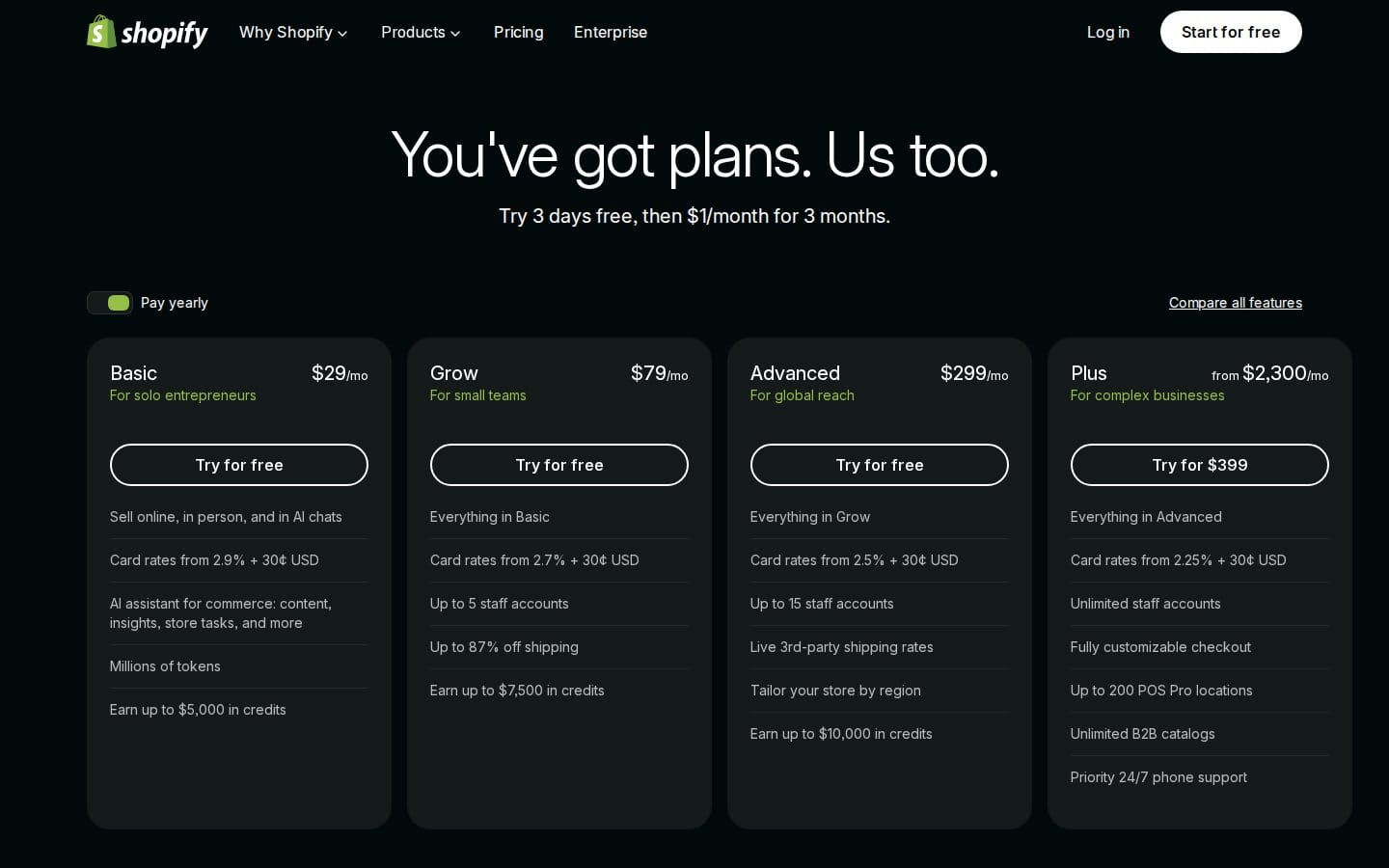
Shopify is the default choice for most fast fashion DTC brands, and it deserves that reputation. It's genuinely fast to launch on, has the deepest app ecosystem of any e-commerce platform, and its multi-channel selling (Meta, TikTok, Pinterest, Google) is built in rather than bolted on. For a brand pushing new collections weekly, the ability to spin up product pages, activate abandoned cart flows, and connect to social channels from a single dashboard matters more than you'd expect.
Strengths
- Drag-and-drop store builder with theme customisation — useful when you're refreshing storefronts around seasonal drops
- Shopify Markets for multi-currency and multilingual selling, which becomes relevant as soon as you start expanding into the EU or US
- 8,000+ apps in the Shopify App Store, covering almost every operational need in this stack
Best fit
Ideal for DTC fashion brands on one or two channels who want fast time-to-market and minimal technical overhead. More detailed reporting — sales by channel, product, or customer cohort — requires a higher-tier plan.
BigCommerce
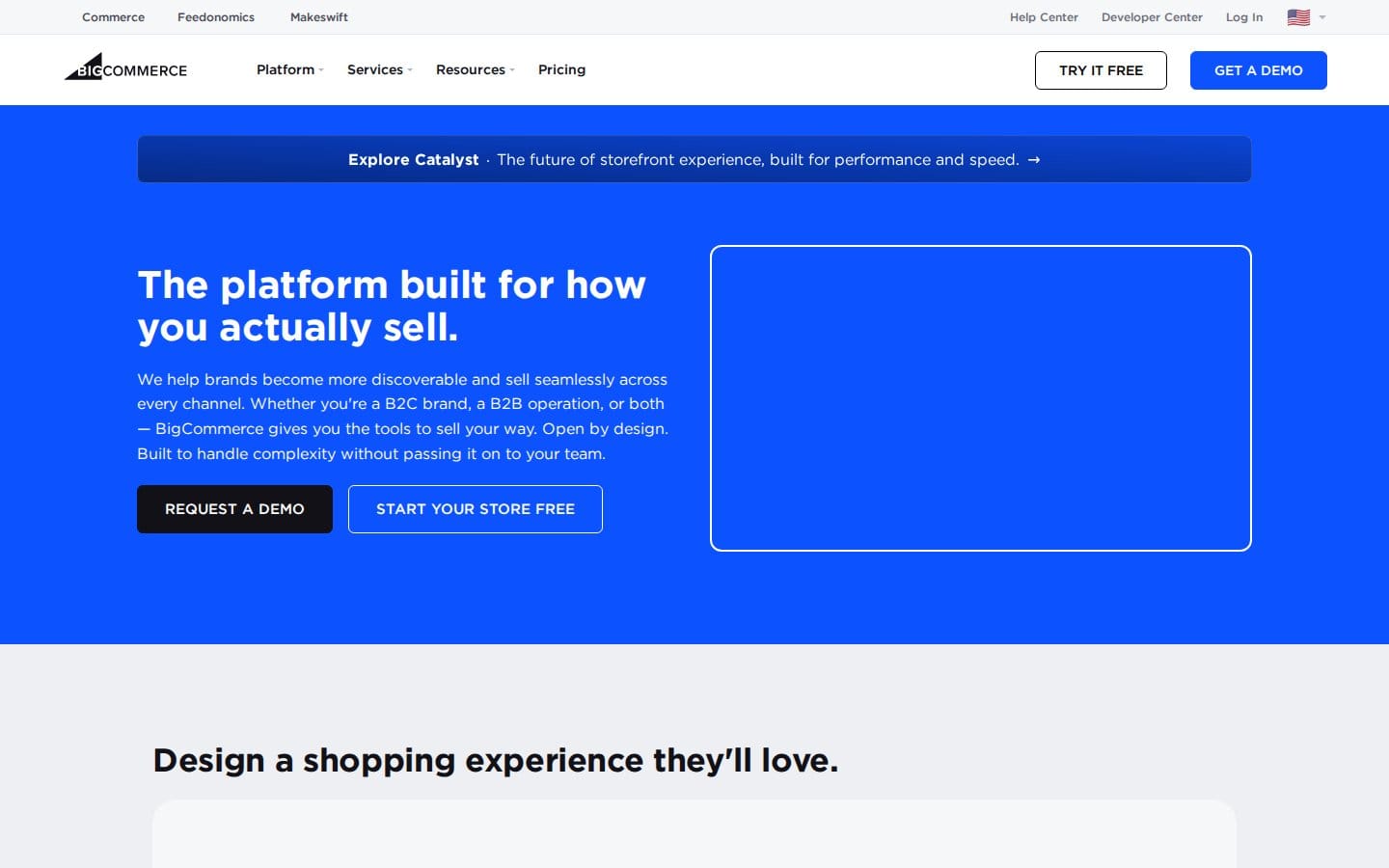
BigCommerce is worth knowing about, particularly if you're running a more complex operation — multiple storefronts, B2B wholesale alongside DTC, or a headless architecture where you want your front-end and back-end separated. Less plug-and-play than Shopify, but more configurable out of the box for businesses that have outgrown simple setups. If you're running a wholesale or trade account alongside your consumer store, the native B2B features (customer groups, bulk pricing, quote management) save real development time.
Strengths
- Multi-storefront management from a single back-end — useful if you run separate branded stores for different lines
- Open API and headless commerce support for brands that want custom front-end experiences
- Native B2B capabilities without needing a separate app
Best fit
Better suited to fast fashion brands with complex catalogue needs, multiple storefronts, or a wholesale component. Annual sales limits apply by plan tier, which may force an upgrade at scale.
Email marketing
Email is still the highest-ROI owned channel in e-commerce. In fast fashion, it does double duty: new drop announcements and back-in-stock alerts drive immediate revenue, while automated flows — welcome series, browse abandonment, win-back — keep the retention engine running in the background.
Klaviyo
Klaviyo is the dominant email and SMS platform in the Shopify ecosystem. Its strength in fast fashion specifically is the segmentation engine — you can build audiences based on purchase behaviour, browsing patterns, predicted lifetime value, and channel engagement, then fire targeted flows for new drops or limited restocks. The integration with Gorgias, Loop Returns, and Yotpo (all in this stack) means customer data flows in multiple directions rather than sitting in silos. If you're on BigCommerce or WooCommerce, the integration exists there too.
Strengths
- Unified customer profiles pulling in purchase, browse, and engagement data for precise segmentation
- Automated flows for drop launches, restocks, browse abandonment, and win-back campaigns
- Predictive analytics to identify high-value customers before they churn
Best fit
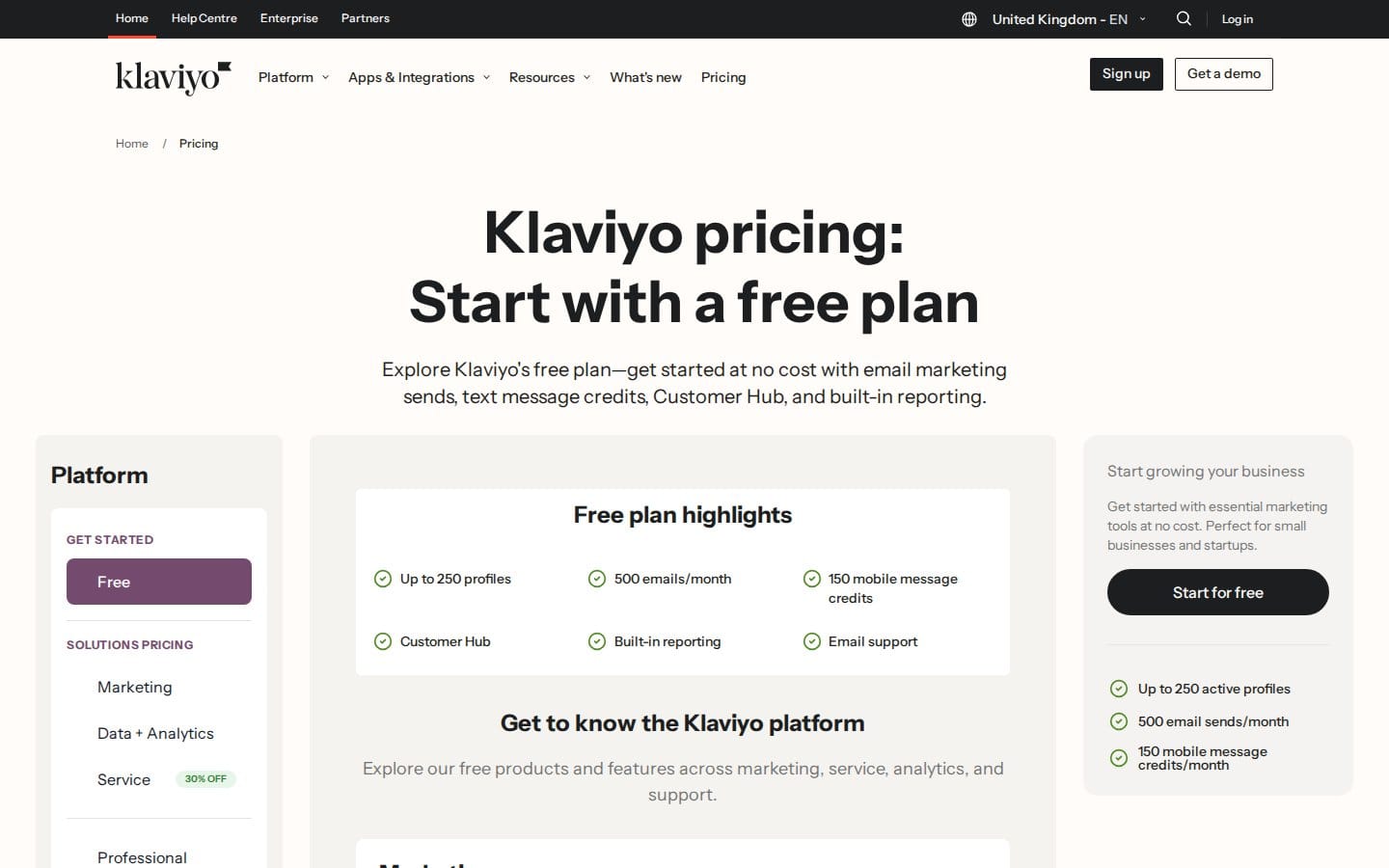
The go-to for fashion brands with growing lists and a need for granular segmentation. The free plan covers 250 active profiles and 500 email sends per month — useful for testing, but you'll move off it quickly.
Mailchimp
Mailchimp is a reasonable starting point for early-stage brands that need basic campaign and automation capabilities without the complexity of a specialist e-commerce platform. It handles campaign creation, automation workflows, audience segmentation, and landing pages well enough, and integrates with Shopify. But be clear about the trade-off: once you're running multiple product lines, complex flows, or SMS alongside email, Klaviyo's e-commerce focus becomes meaningfully better.
Strengths
- Straightforward campaign builder that non-technical founders can use without training
- Marketing automation workflows for standard e-commerce triggers
- Free tier available for brands just getting started
Best fit
Best for fashion startups at very early stage who want to keep the stack simple. All contacts — including unsubscribed ones — count toward your plan limit unless actively archived or deleted.
Customer support
Fashion customer support is mostly returns and sizing queries. Hundreds of them, daily, asking the same five things. Slow responses translate directly into negative reviews, and high ticket volume with a small team means you need automation doing real work, not just sorting inboxes. The right tool here handles routine queries without an agent touching them, and gives agents full order context when a query does need a human — no tab-switching, no copy-pasting order numbers.
Gorgias
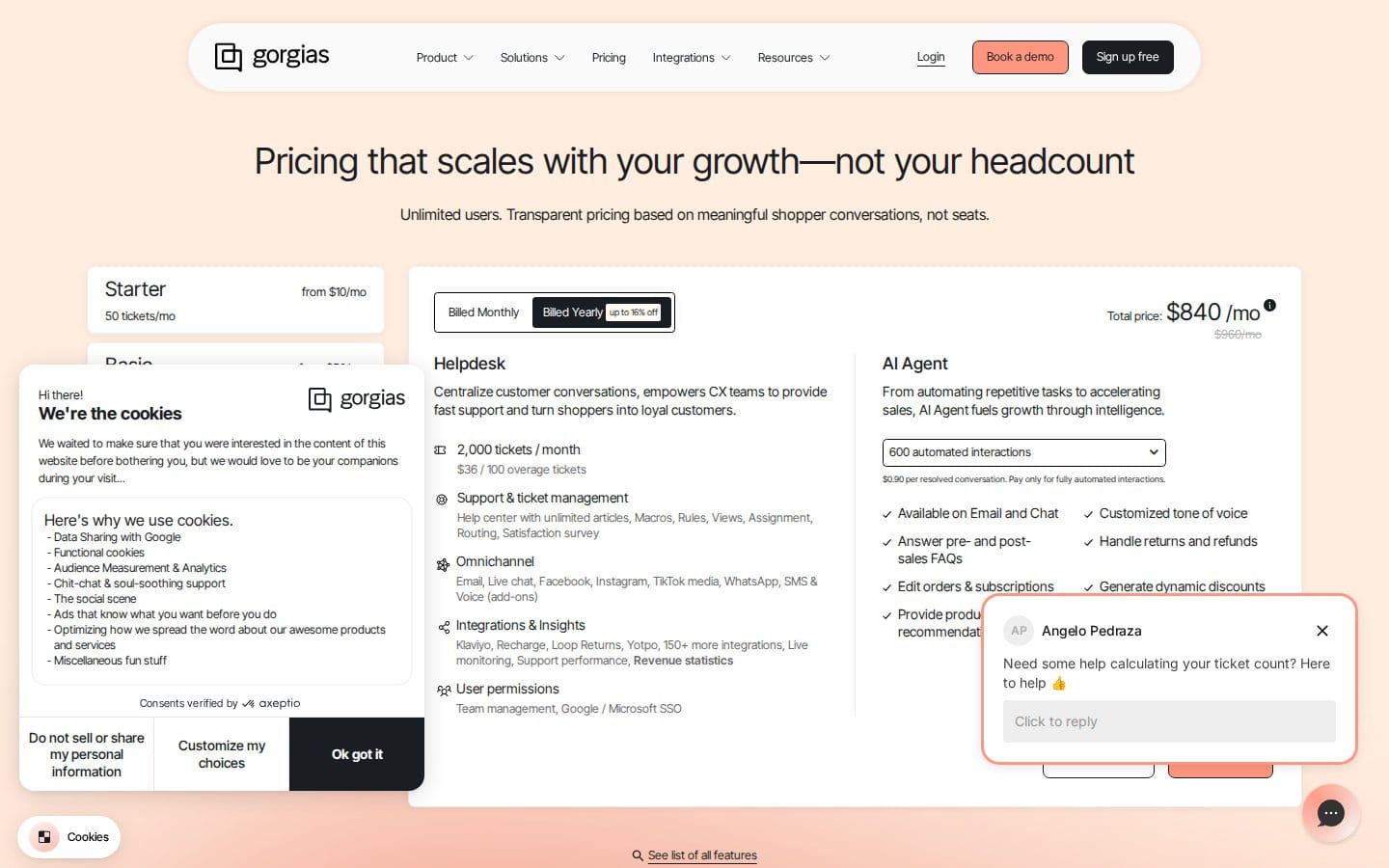
Gorgias is built specifically for e-commerce, which makes it the natural fit here. The Shopify integration is deep — agents can view order details, issue refunds, apply discounts, and edit orders without leaving the conversation thread. For a fast fashion brand handling hundreds of "where's my order" and "can I exchange for a different size" tickets daily, that in-conversation action capability cuts handle time substantially. The AI Agent resolves a meaningful share of routine tickets automatically. And if you're also selling on Amazon, connecting Gorgias to Amazon Seller Central is worth setting up early.
Strengths
- Native Shopify integration with in-conversation order actions (cancel, refund, discount, edit) — no tab-switching
- Omnichannel inbox covering email, chat, SMS, WhatsApp, Instagram, and Facebook in one place
- Revenue attribution reporting so you can see which support interactions actually convert
Best fit
The right call for Shopify-first fashion brands with meaningful ticket volume. The AI Agent is an add-on billed per resolved conversation, separately from the helpdesk subscription — factor that into your cost model if you're planning to lean on it heavily.
Zendesk
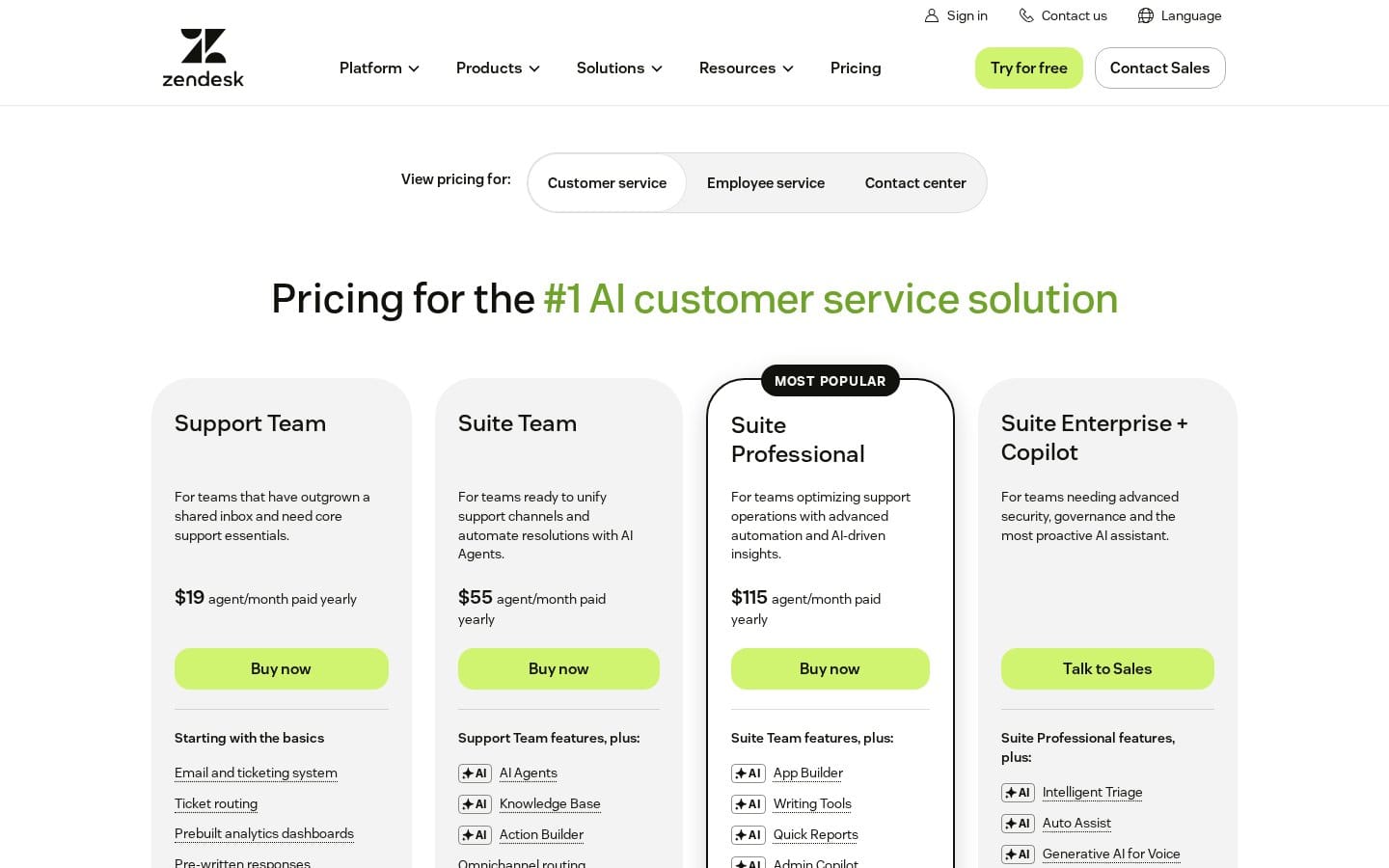
Zendesk is the enterprise standard in customer support software. Omnichannel ticketing, a mature self-service knowledge base, AI-powered automation, workforce management tools — it's all there. For a fast fashion brand at scale — 50+ support agents, multiple brands under one umbrella, complex SLA requirements — it makes sense. For a 10-person brand, it's probably more infrastructure than you need.
Strengths
- Omnichannel ticketing across email, chat, phone, social, and messaging apps
- Self-service Help Centre that deflects repetitive queries before they hit the queue
- Zendesk Explore for detailed reporting and performance analytics
Best fit
Better suited to larger fashion operations or multi-brand groups that need enterprise-grade support infrastructure. Advanced AI features and certain add-ons are locked behind higher tiers or carry additional costs.
Customer reviews and loyalty
Acquiring a new customer in fashion is expensive. Keeping one is where the economics actually work. That means reviews, loyalty programmes, and referral mechanics aren't optional extras — they're the retention engine. And in a category where customers buy with their eyes, photo and video UGC from real customers does more conversion work than any product shot you commission.
Yotpo
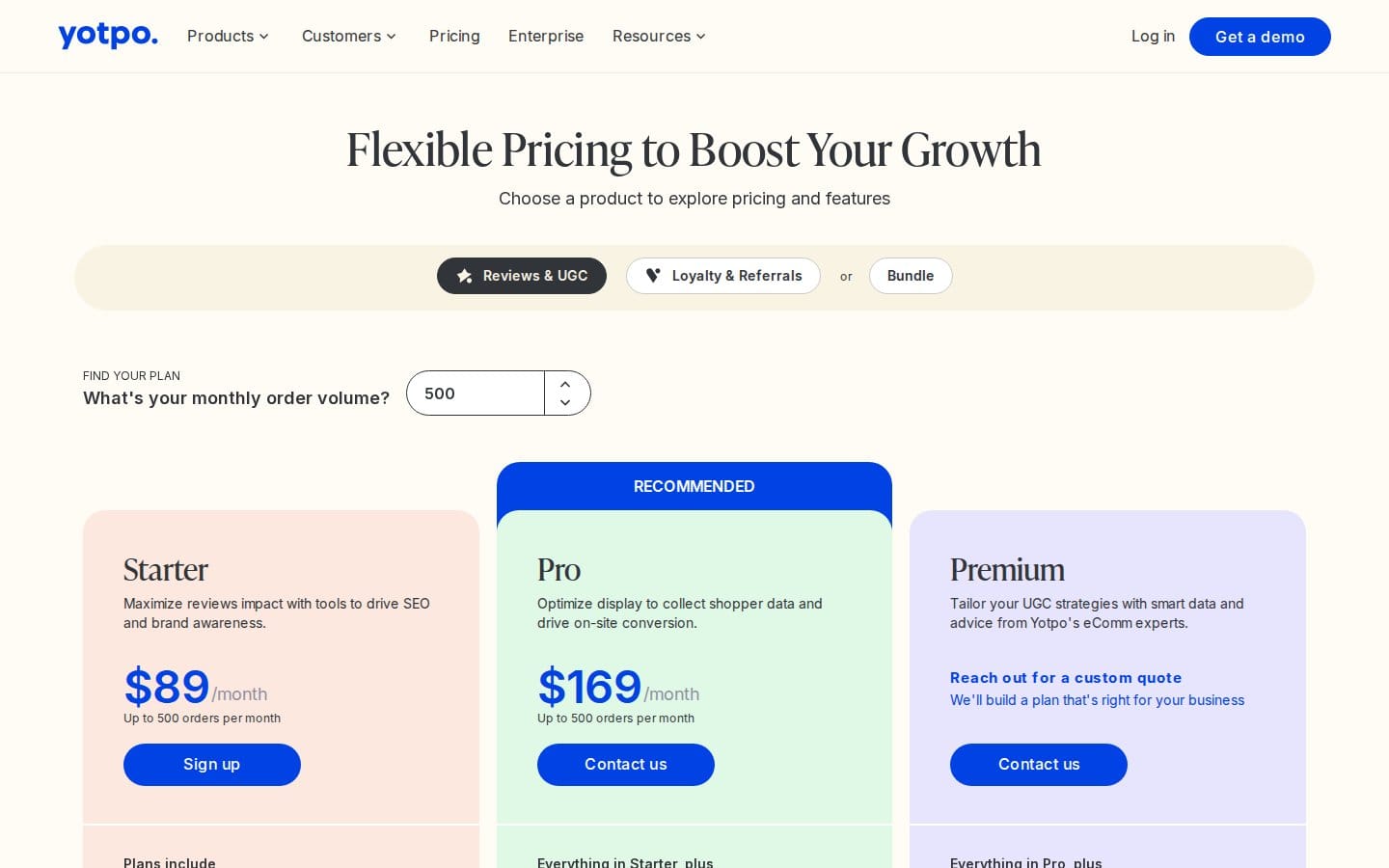
Yotpo combines reviews, loyalty, and SMS marketing in one platform — useful if you want to reduce tool count. The photo and video review capability is particularly valuable in fashion: UGC showing real customers wearing your products converts better than product shots alone. The AI-powered review summaries and sentiment analysis give you a genuine feedback signal for which styles are landing and which aren't, which feeds back into production decisions. The Klaviyo integration means you can trigger email and SMS flows based on review submission or loyalty point milestones.
Strengths
- Photo and video review collection via email, SMS, and AI prompts — strong for fashion UGC
- Loyalty and referral programmes including VIP tiers and custom rewards
- AI-powered review summaries and sentiment analysis for product feedback loops
Best fit
Well suited to fashion brands wanting a combined reviews-plus-loyalty solution in one tool. The Starter Reviews tier is limited to 500 orders per month — growing brands will need to move up.
LoyaltyLion
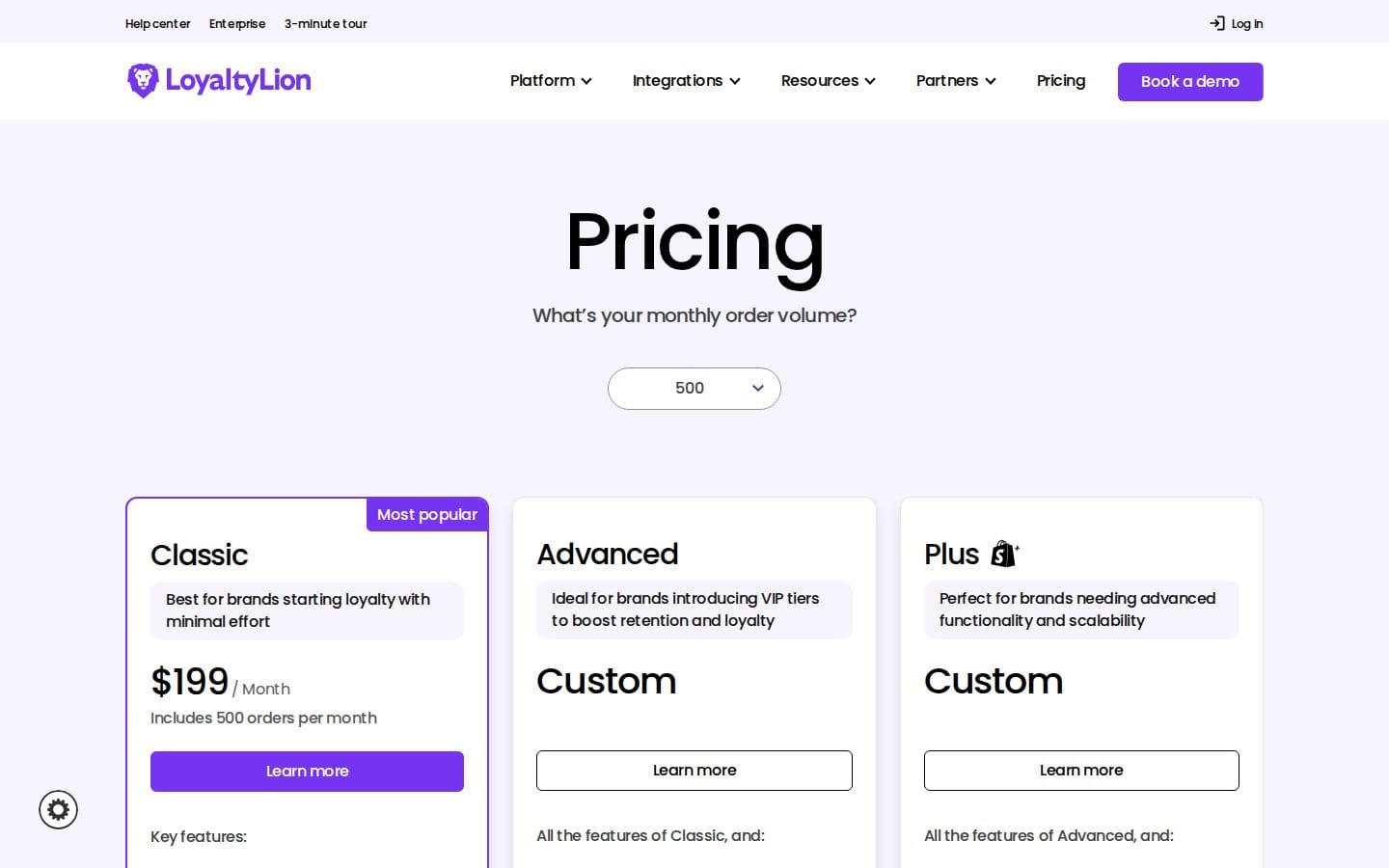
LoyaltyLion is a dedicated loyalty platform rather than a bundled suite, which means it goes deeper on programme mechanics than most. VIP tiers, points for purchases and reviews and referrals, "buy with points" redemption, and AI-recommended bonus campaigns give you real flexibility in designing a loyalty programme that fits your brand. The Klaviyo and Yotpo integrations mean loyalty data flows into your email flows and review requests. If loyalty is a core pillar of your retention strategy rather than a nice-to-have, this is worth having as a standalone rather than the loyalty module inside a broader tool.
Strengths
- Flexible rewards structure covering purchases, reviews, referrals, birthdays, and custom on-site activities
- VIP tiers and "Buy With Points" redemption on higher plans
- AI-powered features including recommended rewards and bonus campaigns
Best fit
A strong choice for mid-market fashion brands where loyalty is a key retention lever. The free tier supports up to 400 monthly orders — meaningful for early validation, but most growing brands will need a paid plan.
Returns management
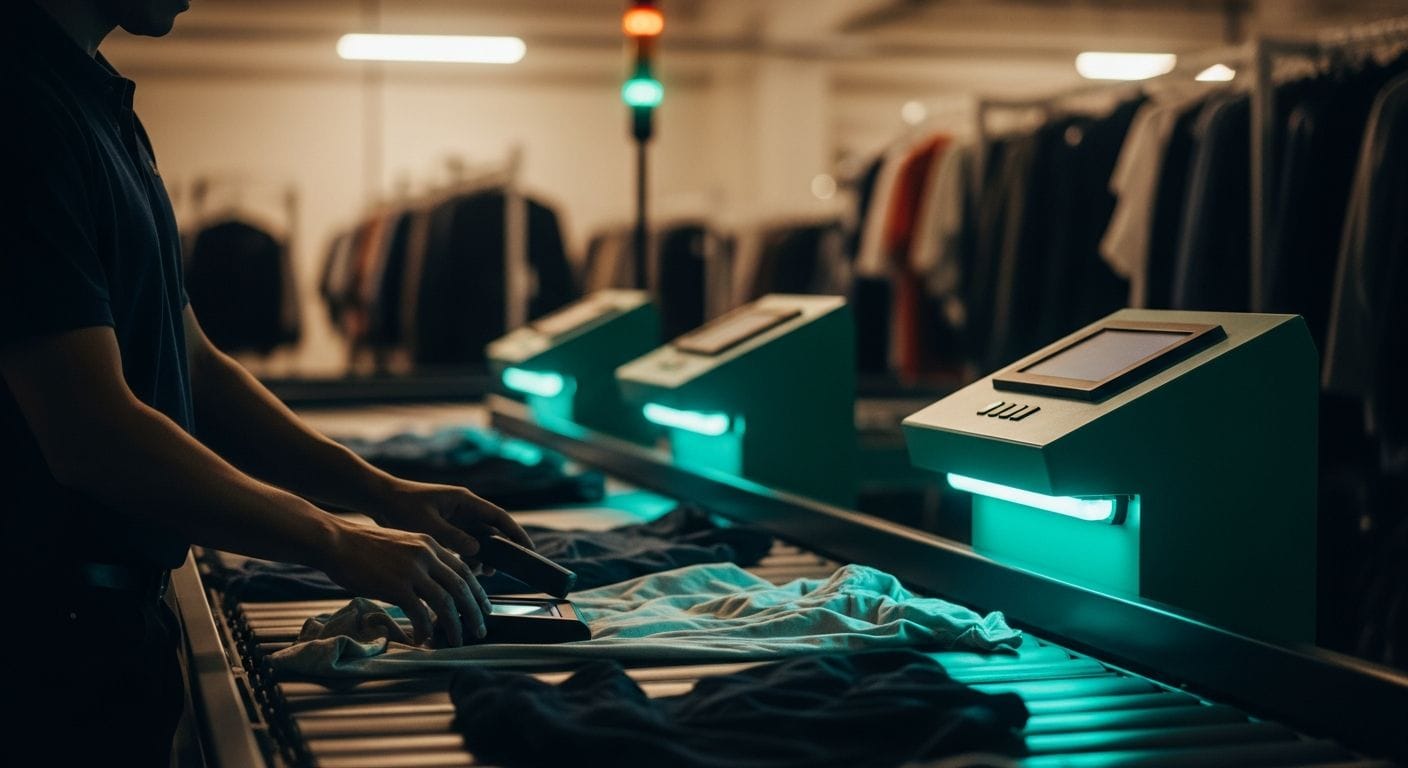
Returns are a fact of life in fashion, especially online. Sizing variability and photography that doesn't always match real-world colour and texture mean a meaningful percentage of orders come back. Convert as many as possible into exchanges. Process the rest without burning your support team's time. Virtual try-on technology is helping here (brands using it report return rate reductions of up to 48%), but the returns infrastructure still matters for everything that does come back.
Loop Returns
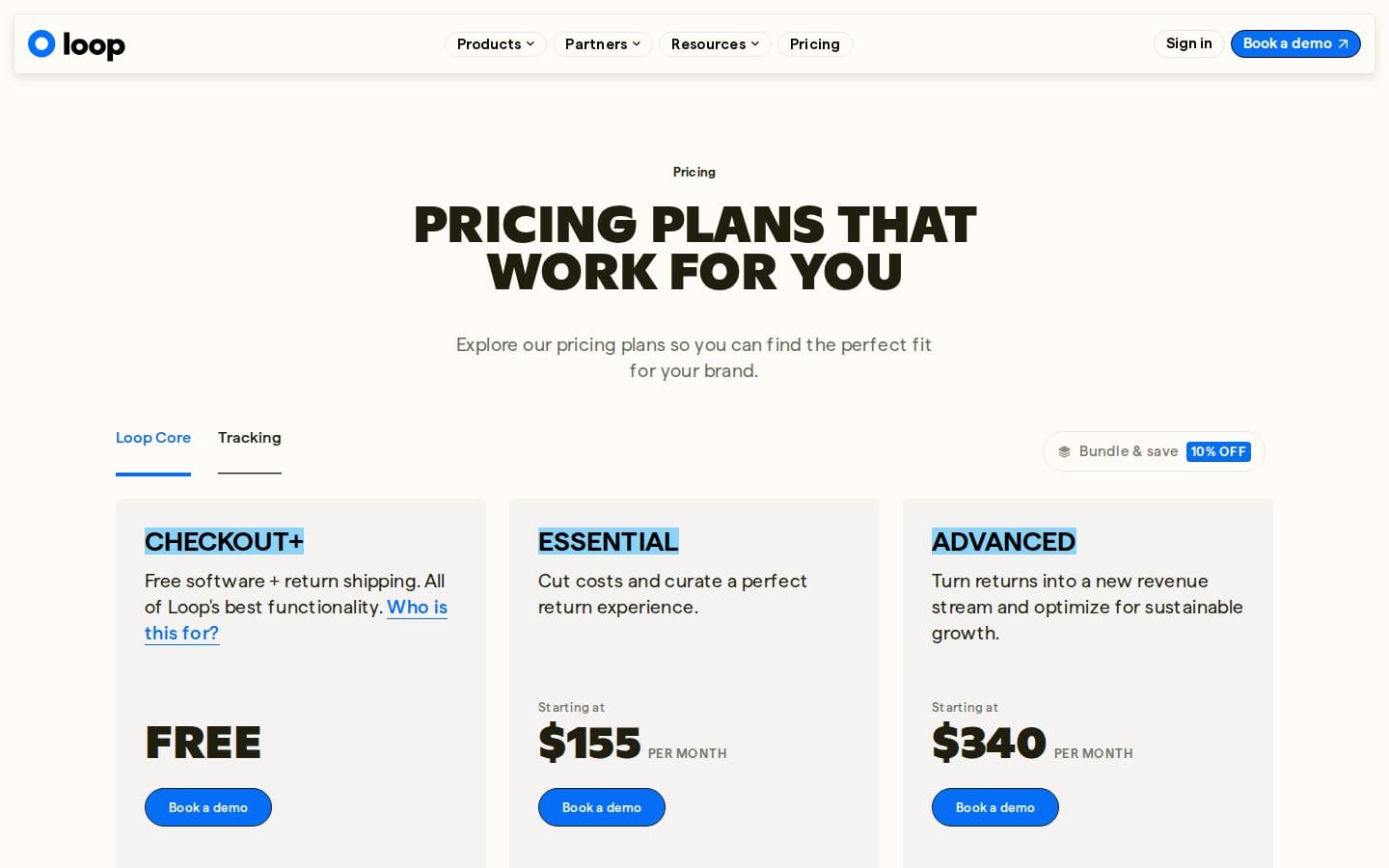
Loop Returns is built with an exchange-first philosophy, which aligns well with fast fashion economics. Rather than defaulting customers to a refund, Loop's self-service portal presents exchanges and Shop Now options first — keeping the revenue in the business. Instant Exchanges let customers get a replacement before sending the original back, which reduces the friction that often pushes customers toward a refund instead. Fraud detection is built in on the Advanced plan, which matters for higher-volume fashion brands who see systematic return abuse.
Strengths
- Exchange-first return flow with Shop Now and Instant Exchange — designed to retain revenue rather than refund it
- Self-service returns portal with automated policy enforcement and workflows
- Native integrations with Gorgias and Klaviyo for a connected post-purchase experience
Best fit
The right choice for Shopify fashion brands with meaningful return volumes who want to convert returns into exchanges. Order Tracking pricing is based on plan and monthly shipment volume, with a per-shipment fee for volumes above the monthly estimate.
AfterShip
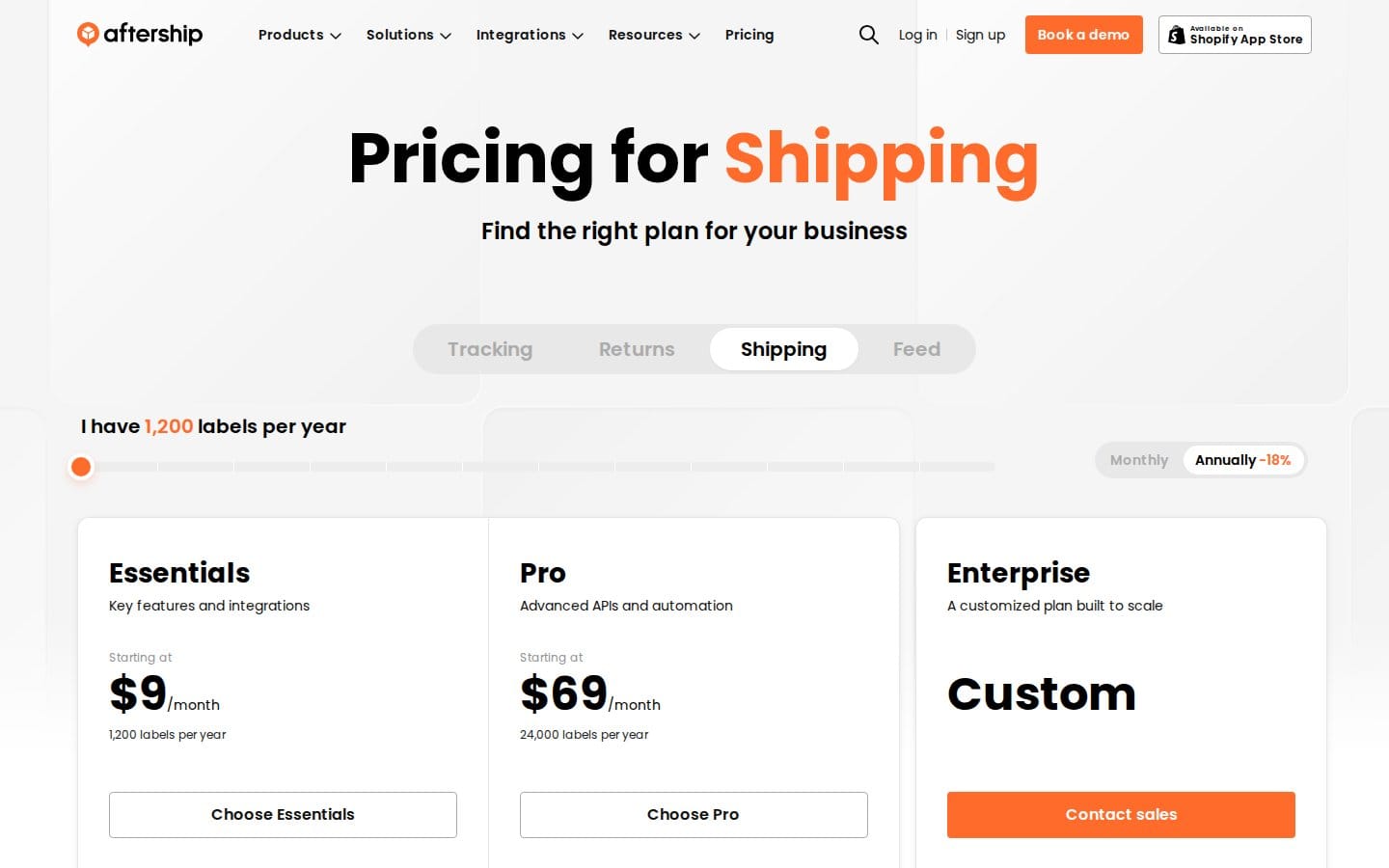
AfterShip covers both shipment tracking and returns management, making it a viable single tool for post-purchase if you want to simplify the stack. The branded tracking pages with product recommendations turn a "where's my order" page into a retention touchpoint — which most fashion brands underuse. AfterShip's fit within a circular economy-oriented stack is also worth noting if sustainability positioning matters to your brand.
Strengths
- Shipment tracking across more than 1,200 carriers with AI-powered estimated delivery dates
- Branded tracking pages with personalised product recommendations
- Automated returns management with exchange-first options
Best fit
Good for brands that want tracking and returns in one tool without managing two separate platforms. The free shipping plan covers 10 labels per month — a testing tier, not an operational one.
Analytics
Here's the thing most brands miss: in fast fashion, analytics aren't a reporting function. They're an operational input. Which products gained traction in the first 48 hours of a drop? Where are users abandoning a product page? Which traffic sources are actually converting? You need quantitative data (traffic, conversions, revenue) alongside behavioural data (heatmaps, session replays, direct user feedback) — because the numbers tell you what's happening, and the recordings show you why.
Google Analytics
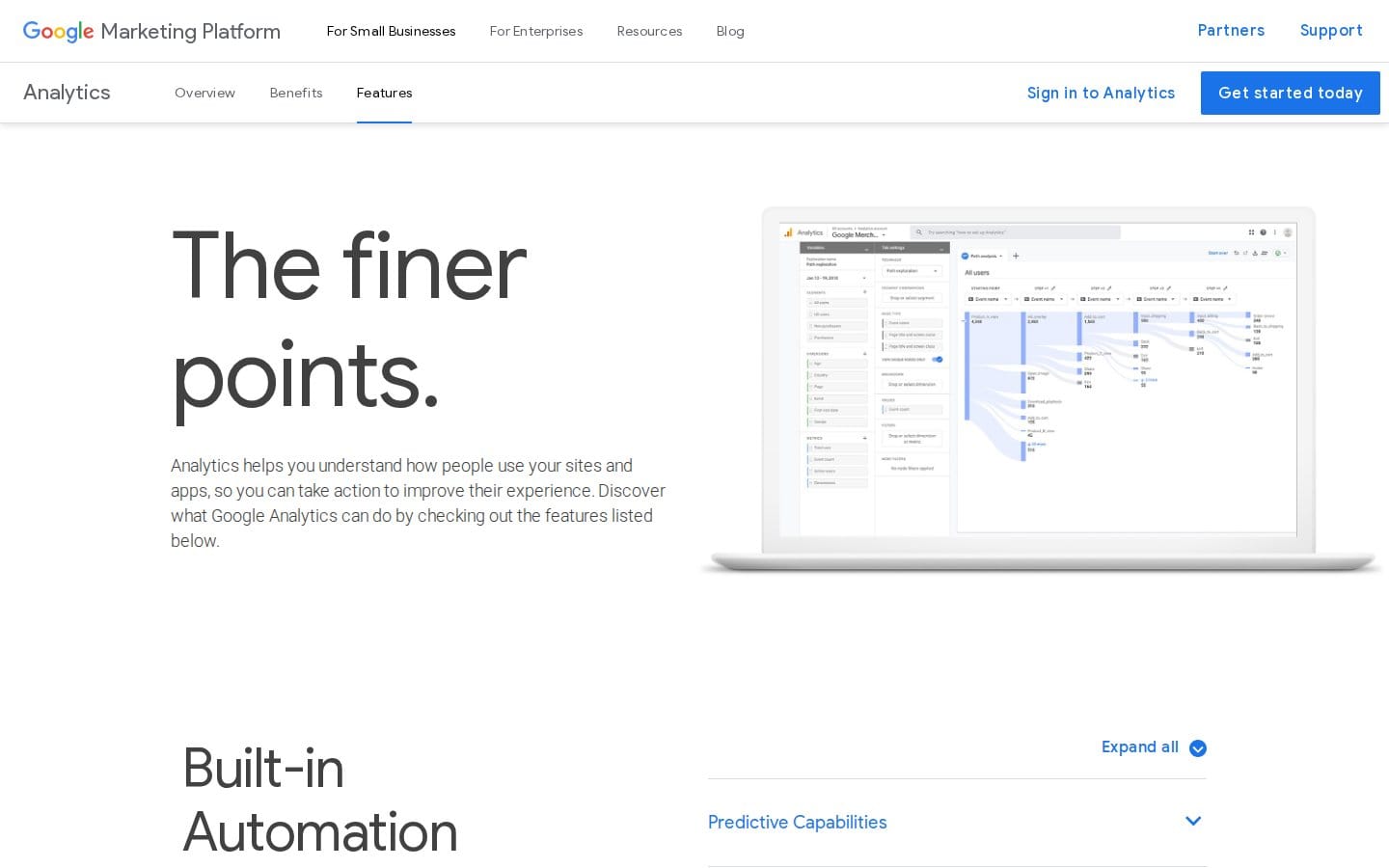
Google Analytics 4 is the baseline for traffic and conversion measurement. It's free, it integrates with Google Ads and the rest of the Google stack, and its e-commerce analytics cover conversion tracking, funnel analysis, and audience behaviour well enough for most brands. The AI-powered predictive metrics are genuinely useful for identifying customers likely to churn or convert, which feeds into Klaviyo segmentation. For brands doing high volumes: the free tier limits data retention to 14 months and applies sampling at high traffic volumes.
Strengths
- Conversion tracking and e-commerce analytics with funnel and path exploration
- AI-powered predictive metrics and anomaly detection
- Deep integration with Google Ads, Tag Manager, and BigQuery for advanced analysis
Best fit
Essential infrastructure for any e-commerce brand — there's no real reason not to have it running. The free GA4 plan limits data retention to 14 months and employs sampling for high traffic volumes; the enterprise tier (GA360) is priced for large organisations.
Hotjar
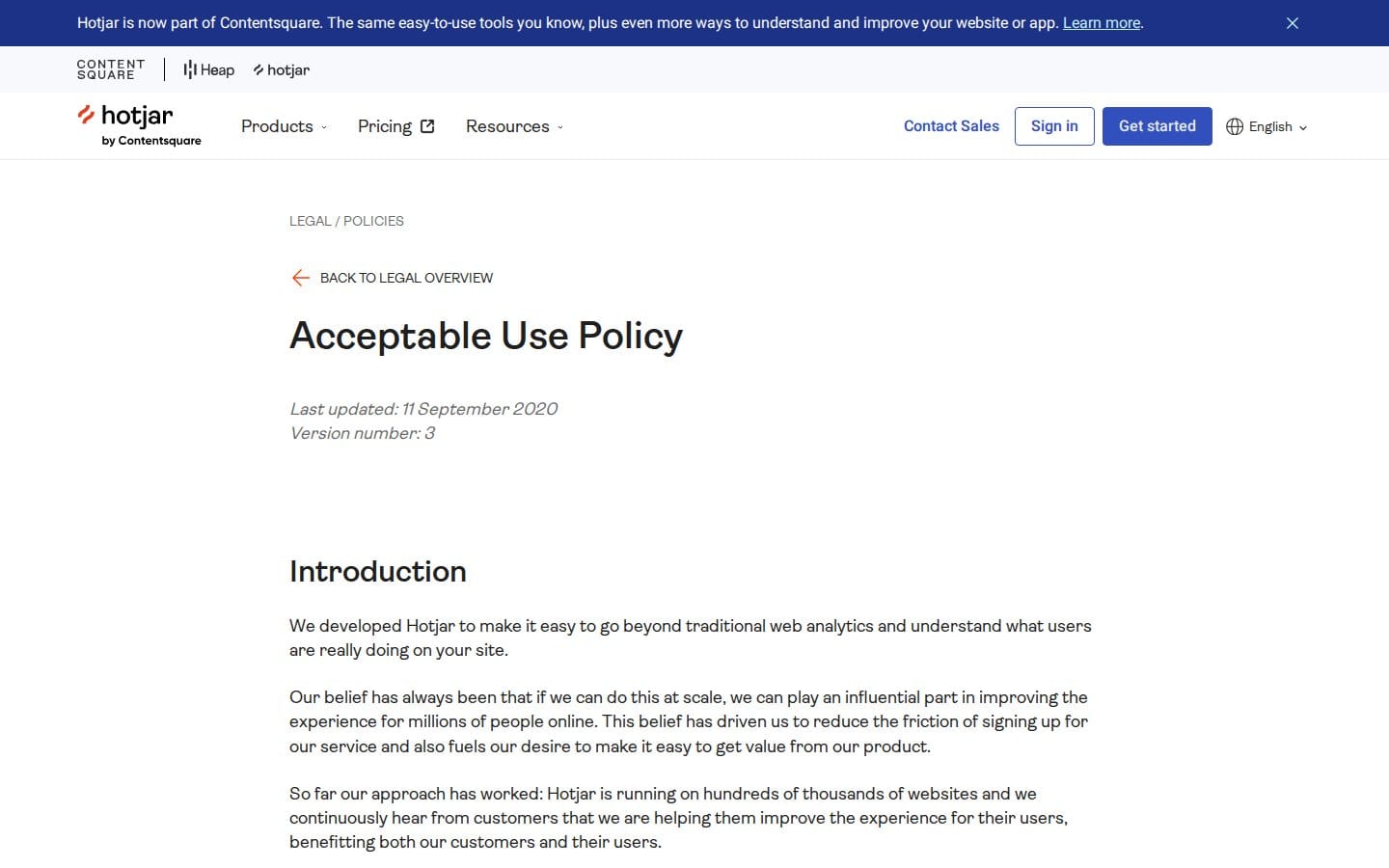
Hotjar fills the gap that quantitative analytics can't — it shows you what users are actually doing on your pages. Heatmaps reveal which parts of a product page get attention and which get ignored. Session replays let you watch real users hesitate, scroll back, and abandon carts. For a fashion brand, this is how you find out that your size guide is being ignored, or that mobile users can't easily see the colour swatch selector. The on-site surveys add a qualitative layer — asking users directly why they didn't buy is often more informative than inferring it from click data.
Strengths
- Heatmaps and session replays to understand where users engage and where they drop off
- On-site surveys and feedback tools for direct user input
- Funnel analysis to identify conversion blockers at a page-by-page level
Best fit
A useful complement to GA4 for any brand actively optimising product pages and checkout flows. Free tier available — worth pairing with GA4 rather than treating as an either/or.
PPC management
Campaign structures that worked last season are often irrelevant this one. Budgets need to follow product trends in near real-time, and manually managing Google Shopping, Meta, Amazon Ads, and Microsoft Ads across a high-SKU catalogue is genuinely unsustainable past a certain volume. These tools automate the repetitive optimisation work — bid management, budget pacing, anomaly alerts — so your team can spend time on decisions that actually require judgment.
Optmyzr
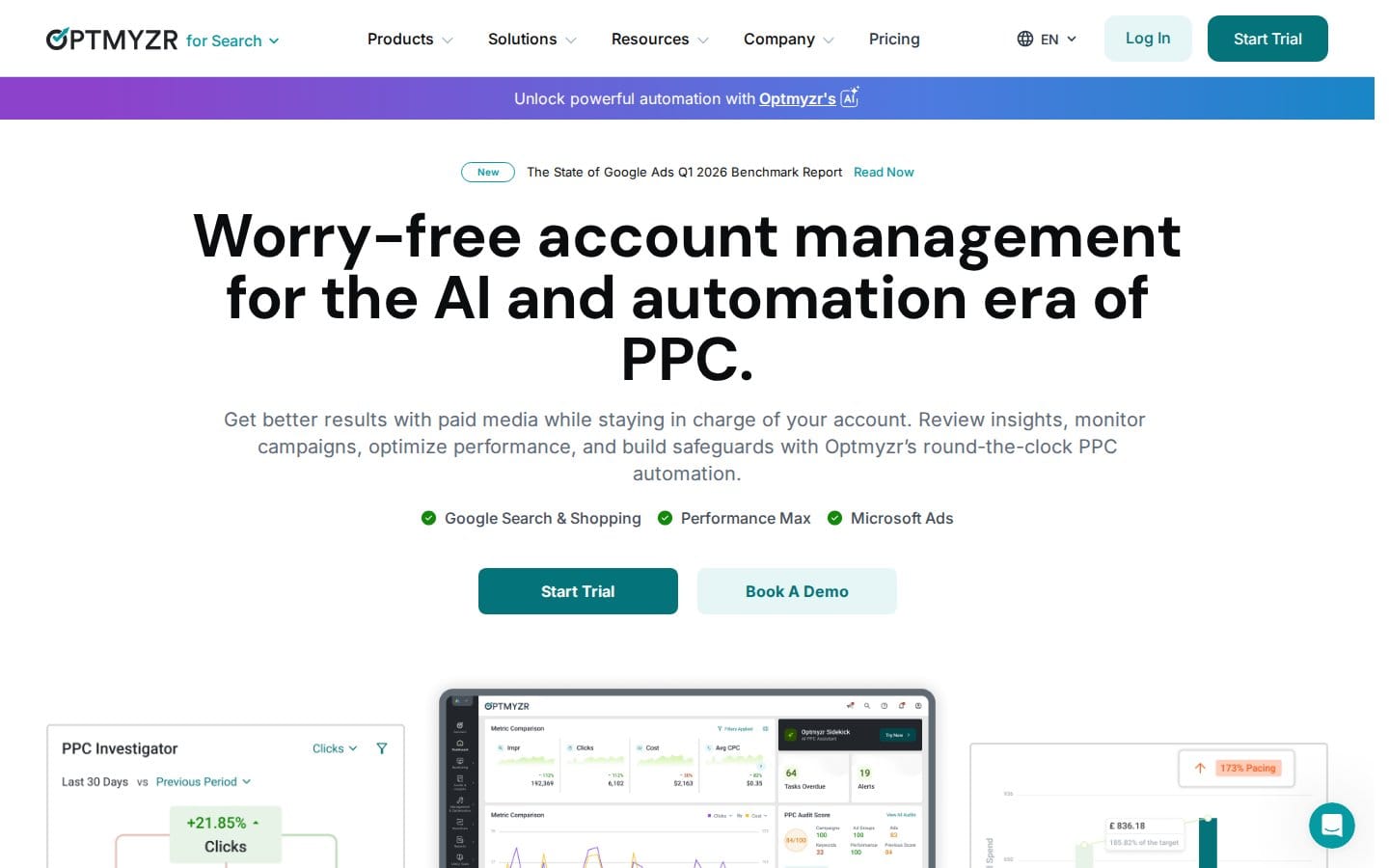
Optmyzr is a PPC management platform for in-house paid search teams and agencies managing campaigns across multiple platforms simultaneously. The one-click optimisation features and real-time campaign monitoring cut the manual work of bid management and budget allocation. For a fast fashion brand running Google Shopping campaigns across a high-SKU catalogue, the shopping campaign management tools in particular save significant time. Alerts push to Slack and Microsoft Teams, so you don't need to log into another dashboard to catch problems.
Strengths
- User-controlled automation for bid management and budget pacing across Google Ads, Microsoft Ads, and Meta Ads
- Shopping campaign management tools suited to high-SKU fashion catalogues
- Advanced reporting and dashboards with real-time monitoring
Best fit
Well suited to fashion brands or their agencies managing PPC across multiple ad platforms with a need to automate repetitive optimisation tasks. API access is available on the Enterprise plan only.
SellerApp
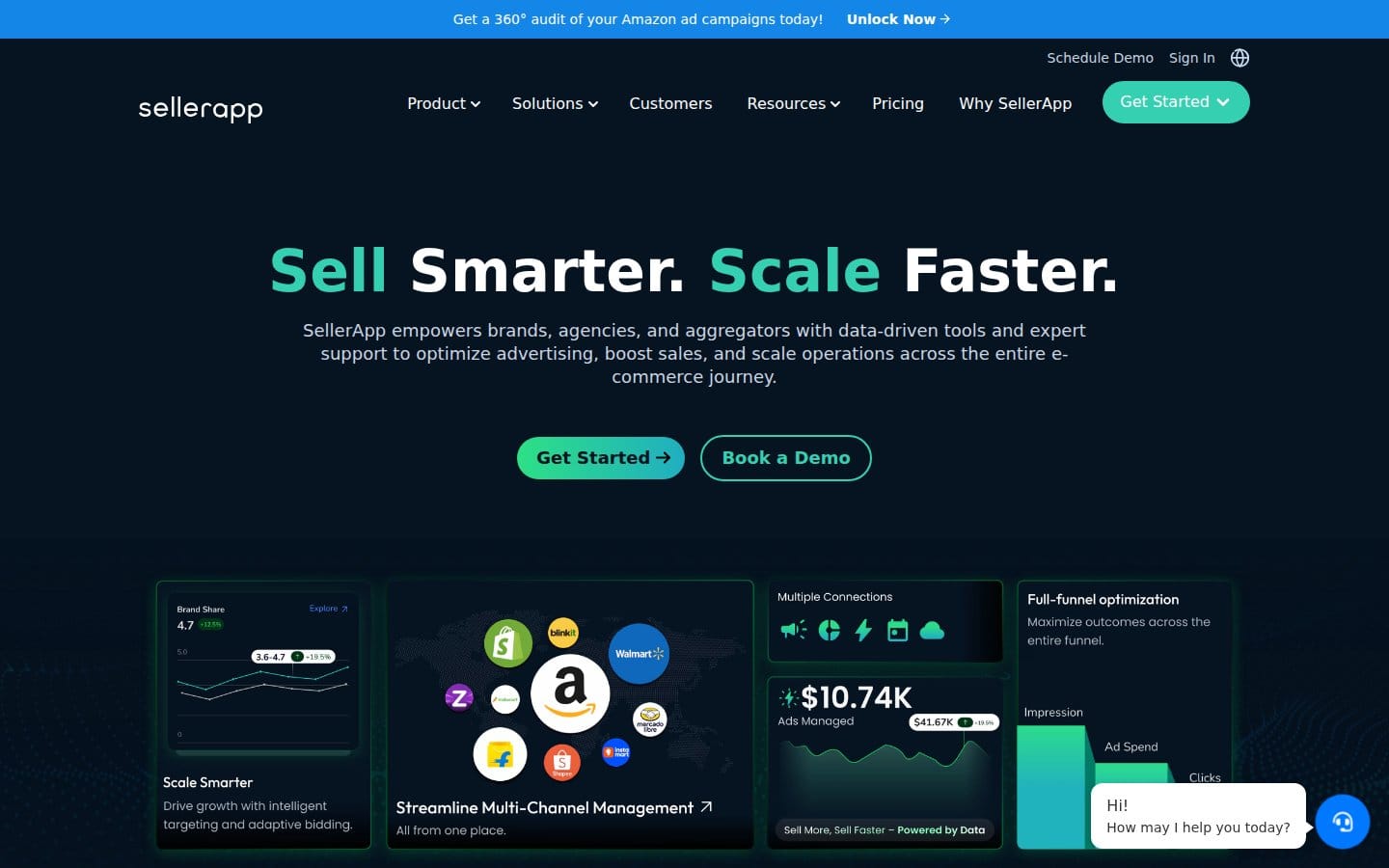
SellerApp is specifically focused on Amazon — the right tool if you're running Amazon PPC alongside your DTC store, which many fast fashion brands do when scaling. Product research, keyword optimisation, listing quality analysis, and PPC automation for Amazon Seller Central are its core functions. It's more narrowly scoped than Optmyzr, but if Amazon is a meaningful revenue channel, that focus is an advantage rather than a limitation. For brands tracking Amazon inventory alongside Shopify, pairing SellerApp with a proper IMS creates a much cleaner picture — see our guide to syncing Amazon FBA inventory for the basics.
Strengths
- Amazon-specific PPC management and advertising automation
- Keyword research and listing optimisation tools for Amazon catalogue management
- Profit dashboard and sales data analysis for Amazon performance tracking
Best fit
The right choice for fashion brands where Amazon is a primary or growing channel. The freemium plan covers 2 products and 10 searches per day — functional for evaluation, not for active management.
Inventory and compliance
Honestly, this is the category most fast fashion brands underinvest in — and it's always obvious in hindsight. An oversell kills a viral moment. A stockout mid-campaign hands customers to a competitor. A compliance notice from a French regulator lands and nobody on the team knows what Refashion even is. We've watched brands waste entire quarters sorting out infrastructure problems that could have been resolved in a week with the right tooling in place.
For EU-selling fashion brands, textile EPR obligations under Refashion (France) and UPV (Netherlands) are live compliance requirements now, not future considerations. The EU expansion stack covers the broader picture, but the short version is: sort it before your next French campaign. Retrofitting compliance after the fact is significantly more painful than building it in from the start.
Ceendesis
Ceendesis combines multi-channel inventory management, EPR compliance (including textile EPR for fashion brands), and marketplace-to-accounting sync in one platform. For a fast fashion brand selling across Shopify and Amazon — and potentially eBay, Walmart, or TikTok Shop — having inventory, compliance reporting, and financial reconciliation in one place removes a significant amount of operational overhead. The native Xero and QuickBooks integrations mean marketplace payouts reconcile automatically rather than requiring manual work or a separate connector. If you're working through how to reconcile Shopify payouts in Xero or connect Amazon Seller Central to QuickBooks, Ceendesis handles both natively.
Strengths
- Combines multi-channel inventory, EPR compliance, and marketplace-to-accounting sync in one platform
- Built for brands selling on Shopify, Amazon, eBay, Walmart, and TikTok Shop
- Native Xero and QuickBooks reconciliation for marketplace payouts
Best fit
Built for brands on 2+ marketplaces — overkill for single-channel Shopify-only stores.
The stack at a glance
| Category | Tool | Free tier | Best integration |
|---|---|---|---|
| E-commerce Platform | Shopify | Yes (trial) | Klaviyo, Gorgias, Loop Returns |
| E-commerce Platform | BigCommerce | Yes (trial) | Klaviyo, ERP systems |
| Email Marketing | Klaviyo | Yes | Shopify, Gorgias, Yotpo, LoyaltyLion |
| Email Marketing | Mailchimp | Yes | Shopify, WooCommerce |
| Customer Support | Gorgias | No | Shopify, Klaviyo, Loop Returns |
| Customer Support | Zendesk | No | Shopify, Salesforce, Slack |
| Reviews & Loyalty | Yotpo | Yes | Shopify, Klaviyo, Google |
| Reviews & Loyalty | LoyaltyLion | Yes | Shopify, Klaviyo, Yotpo |
| Returns Management | Loop Returns | Yes (Checkout+) | Shopify, Gorgias, Klaviyo |
| Returns Management | AfterShip | Yes | Shopify, Klaviyo, Gorgias |
| Analytics | Google Analytics | Yes | Google Ads, Shopify, BigQuery |
| Analytics | Hotjar | Yes | Google Analytics, Slack, HubSpot |
| PPC Management | Optmyzr | Yes (trial) | Google Ads, Meta Ads, Microsoft Ads |
| PPC Management | SellerApp | Yes | Amazon Seller Central |
| Inventory & Compliance | Ceendesis | — | Shopify, Amazon, Xero, QuickBooks |
Frequently asked questions
What software do fast fashion brands use?
Fast fashion brands typically run a combination of PLM (Product Lifecycle Management) software for design and development, inventory management systems for real-time stock visibility across channels, e-commerce platforms like Shopify for DTC sales, and AI-powered tools for trend forecasting and demand planning. On the marketing side, email automation (Klaviyo being the most common in e-commerce), loyalty platforms, and returns management tools round out the core stack. Brands like Zara, H&M, and Forever 21 have long used PLM as a backbone for managing high-volume design cycles — but the tooling is increasingly accessible to mid-market brands too.
How do you manage inventory for on-demand clothing?
On-demand and fast fashion inventory management comes down to two things: real-time stock visibility across every sales channel, and just-in-time (JIT) replenishment to avoid holding excess stock. JIT minimises inventory holding costs by ordering or producing only when demand is confirmed — Zara built much of its competitive model on this. In practice, that means a centralised inventory system that syncs stock across your Shopify store, any marketplaces, and your warehouse in real time, paired with demand forecasting to avoid both stockouts and overstock situations. For brands on multiple channels, this is where a proper multi-channel IMS pays for itself quickly.
What is a PLM system in fashion?
Fashion PLM (Product Lifecycle Management) centralises product data, workflows, and collaboration across the entire collection lifecycle — from initial concept and sourcing decisions through to production sign-off and retail delivery. The value is primarily about eliminating version-control chaos: one system of record for tech packs, material specifications, costing sheets, and supplier communications, accessible to every stakeholder simultaneously. For fast fashion brands running multiple collections with short lead times, PLM is the difference between a controlled development process and a chaotic one. It's a separate tool category from IMS — PLM manages the product before it exists; IMS manages it once it does.
How is AI changing fashion operations in 2026?
AI has moved from pilot projects to core operational infrastructure in fashion. According to data cited
Screenshots are from each tool's public pricing or features page, captured June 2026. We are not affiliated with any third-party tool listed unless explicitly noted.