
The Essential Tech Stack for Subscription Box Brands

Last verified: July 2026
Key takeaways
- A subscription box stack needs at minimum: an e-commerce platform, a subscription billing app, and email marketing — everything else layers on top as you scale.
- Recurring billing, batch fulfilment, and churn management make subscription ops meaningfully different from standard e-commerce — your tools need to reflect that.
- Shopify + Recharge + Klaviyo is the most common starting combination. The integrations are tight and well-documented.
- Inventory forecasting for subscription boxes runs on subscriber counts and pack-day logic, not daily sales velocity — most generic IMS tools aren't built for this.
- At scale, you'll want loyalty, returns, and multi-channel inventory tools in the mix — but don't pay for them before you need them.
Running a subscription box business is genuinely different from running a standard e-commerce store. You're managing recurring billing, kitting runs that have to be coordinated around a fixed monthly pack day, and a customer base that can churn the moment the novelty wears off. The operational complexity creeps up fast. Tools that work fine for a one-off purchase store often fall flat when you're juggling 2,000 active subscribers, a supplier lead time, and a dunning sequence all at once.
This article maps out a practical subscription box tech stack for 2026: what each category does, which tools are worth considering, and where each one fits in your growth journey. We've structured it around the categories that actually matter for subscription operations — platform, subscriptions, email, support, analytics, returns, and loyalty — rather than throwing every SaaS tool at the wall. If you want a broader look at post-purchase operations, our retention-focused post-purchase operations stack covers adjacent ground.
This stack isn't all-or-nothing. A brand just launching its first box needs three or four of these tools, not all of them. We'll flag what's essential versus what you can defer at the end.
E-commerce platform
Your e-commerce platform is the foundation everything else plugs into. For subscription boxes, that means it needs to support recurring order logic (usually via a third-party app), handle checkout smoothly, and integrate tightly with your billing and fulfilment tools. Most brands in this space land on either Shopify or WooCommerce. They're not identical choices — the right pick depends on how technical your team is.
Shopify
Shopify is the default choice for most subscription box brands. It's a cloud-hosted platform with a large app ecosystem — subscription management tools like Recharge integrate deeply and reliably. You get drag-and-drop store building, built-in SEO tools, automated tax calculation, and Shopify Payments out of the box. For brands selling across multiple channels, Shopify Markets handles multi-currency and multilingual storefronts without a custom build.
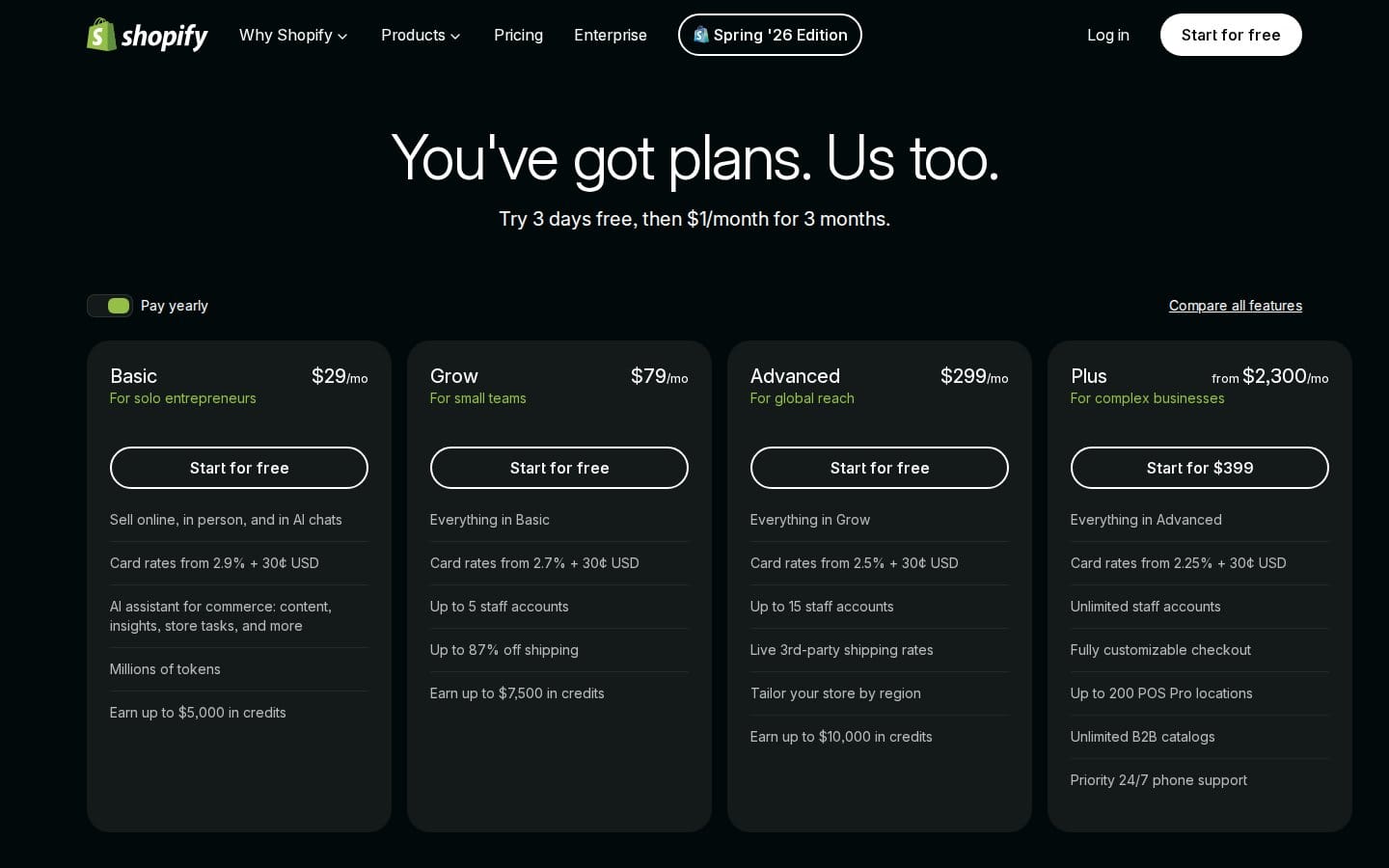
Tight integrations across billing, email, and loyalty. That's the short version.
- Automated shipping, abandoned cart recovery, and built-in SEO — useful from day one
- Unified POS system if you ever sell at markets or pop-ups alongside your online subscription
Ideal for brands that want a hosted, low-maintenance foundation with strong third-party app support. Higher-tier plans (Shopify and above) are required to unlock more detailed reports — sales by channel, product, staff, location, and customer cohort analysis.
WooCommerce
WooCommerce is the open-source alternative for brands already on WordPress, or those who want maximum control over their store's code and data. It supports physical goods, digital products, and subscriptions (with plugins), and integrates with most major payment gateways and shipping solutions. If your team has a developer, WooCommerce is often cheaper at scale than a hosted platform — though "cheaper" depends heavily on how much custom development you end up needing. If you want to think through how order management automation overlaps with your platform choice, our guide to automating order management on Shopify covers the principles (they apply broadly, not just to Shopify).
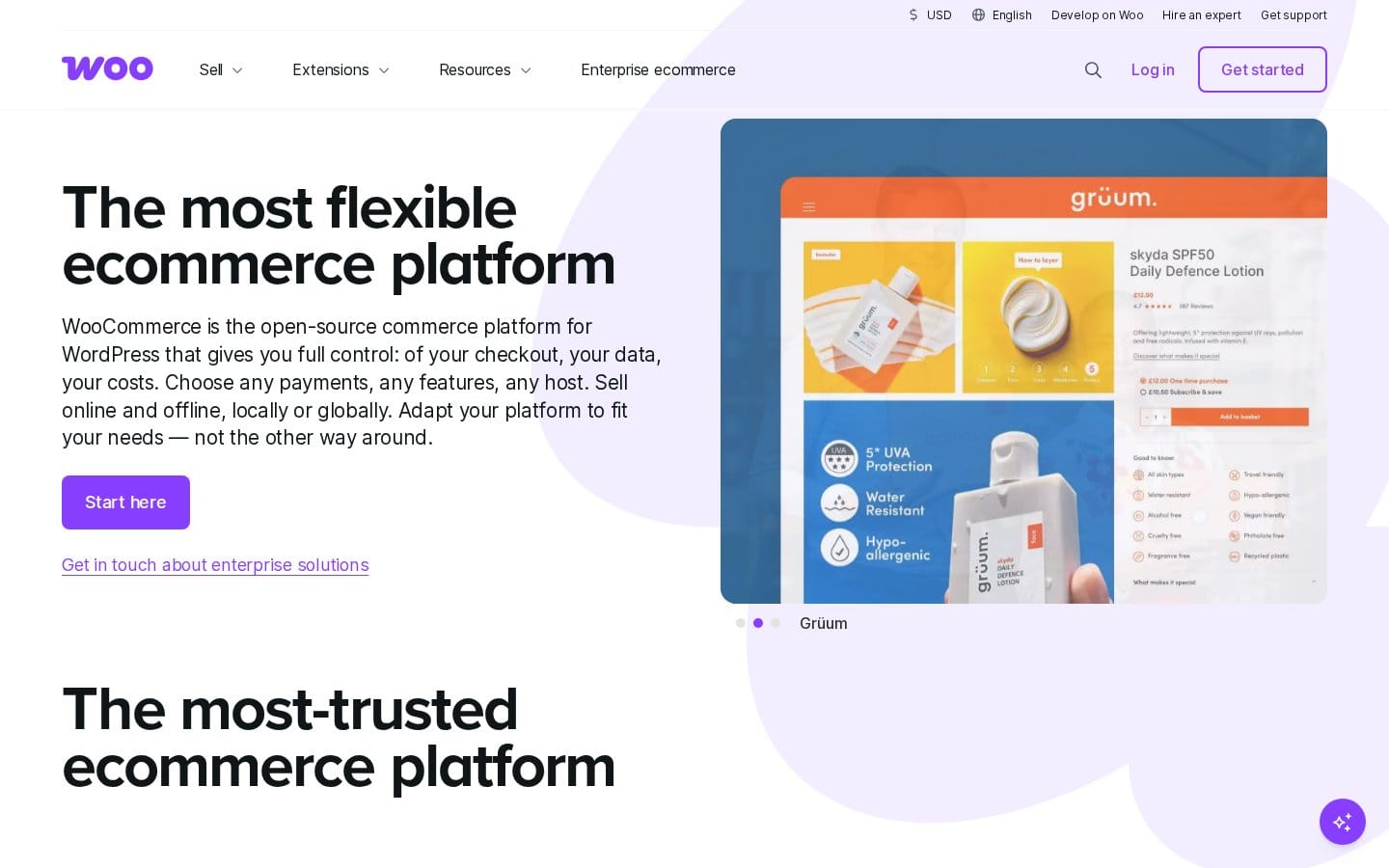
- Full customisation of store design, features, and functionality — no platform lock-in
- Supports subscriptions, digital products, and physical goods without switching platforms
- Flexible payment options including PayPal, Stripe, WooPayments, and bank transfers
Best for technically confident teams who want to own their infrastructure and customise deeply. The free core plugin requires separate hosting and domain costs, and will likely need additional paid plugins for full functionality — factor that into your total stack cost.
Subscriptions
This is the category that actually makes your business a subscription business. Your billing platform handles recurring charges, failed payment recovery, subscriber self-service (skip, pause, swap), and the dunning sequences that keep churn from quietly eating your revenue. Don't underestimate this layer. A clunky subscriber portal is one of the fastest ways to lose customers who would otherwise stay.
Recharge
Recharge is the most widely used subscription billing platform for Shopify brands. Subscribers can skip, reschedule, swap products, and update payment details through a self-service portal — which matters because self-service cuts support ticket volume significantly. Cancellation prevention flows and win-back campaigns are built into the core platform. The Klaviyo and Gorgias integrations are particularly well-built, so your support and email flows can react to subscription events in real time.
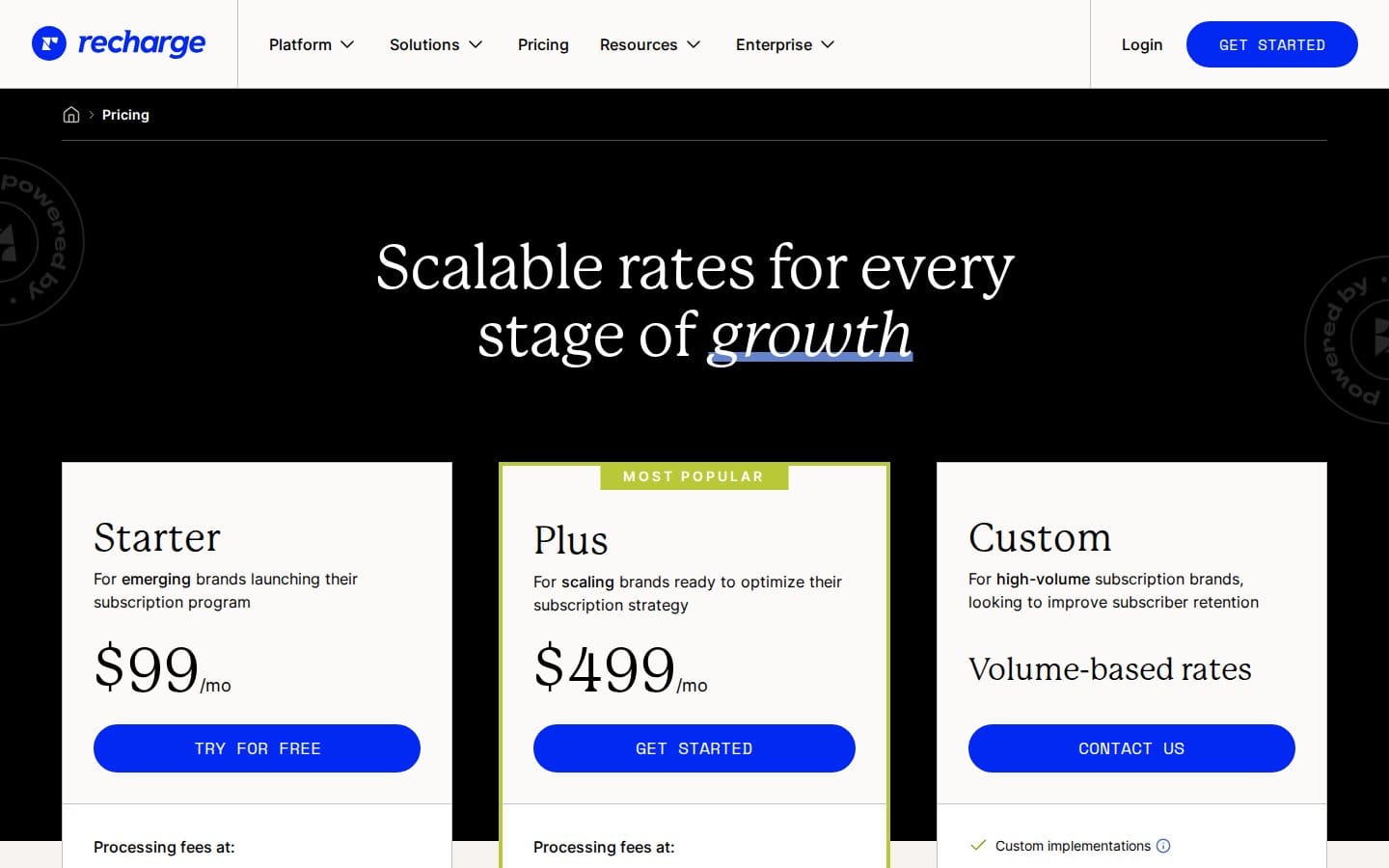
- Customisable customer portal with full self-service options — reduces support load and improves retention
- Smart cancellation prevention and failed payment recovery built into the core platform
- Advanced analytics and reporting for subscription-specific metrics like MRR, churn, and LTV
The go-to for Shopify subscription brands at any stage. All bundle functionality requires the Plus plan or higher, so if curated bundles are central to your model, budget for that tier from the start.
Chargebee
Chargebee is a more enterprise-oriented subscription management platform, built primarily for SaaS and complex billing scenarios. It handles automated invoicing, dunning, proration, trials, and coupons, and supports over 35 payment gateways including Stripe, PayPal, and Adyen. For subscription box brands that also sell B2B, operate across multiple currencies, or need granular revenue reporting (it offers 80+ predefined reports), Chargebee is worth considering. It integrates with Xero, QuickBooks, and NetSuite — useful if your accounting setup is already structured.
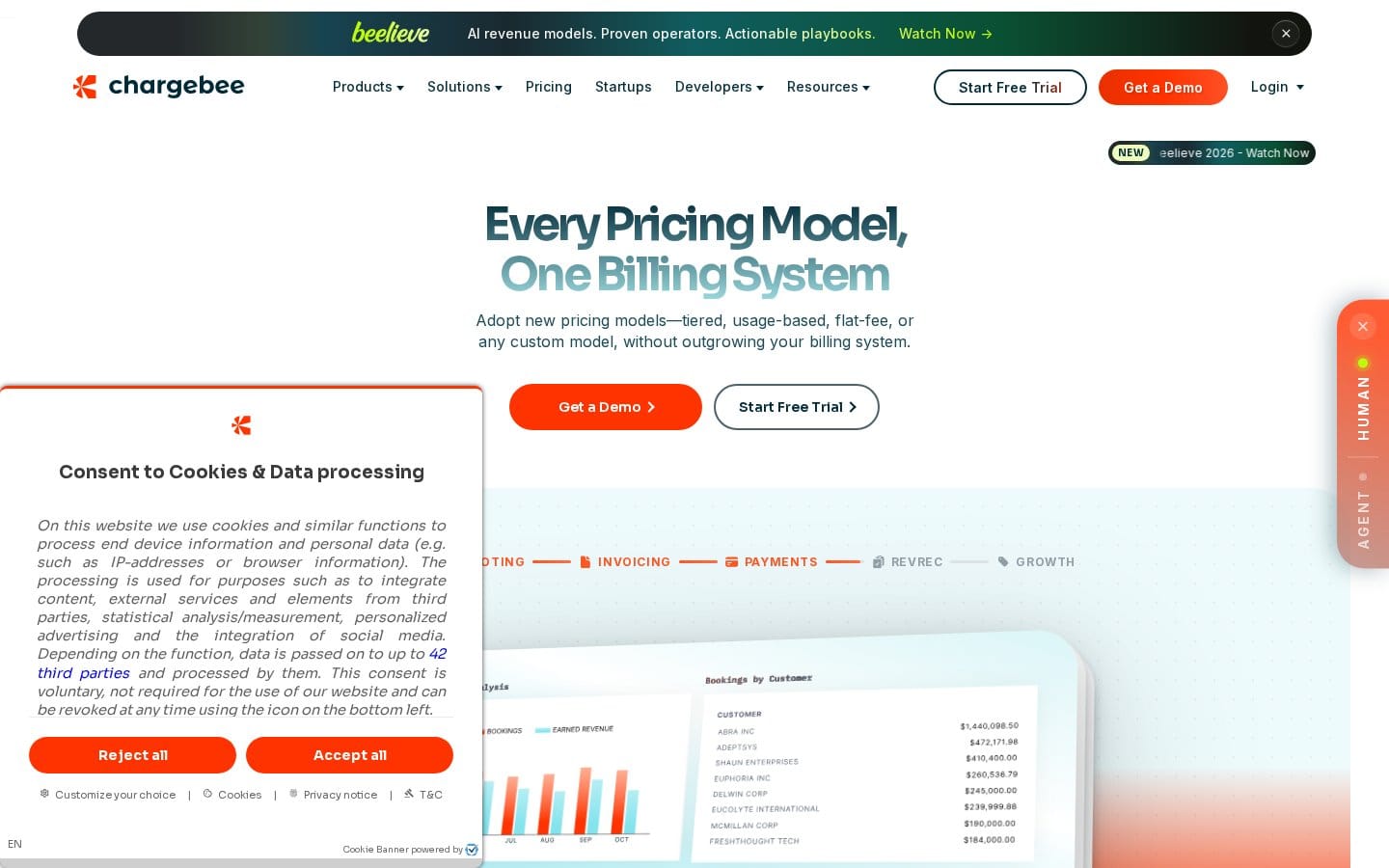
- Extensive global payment gateway support — useful for brands selling into multiple markets
- 80+ predefined reports plus a custom report builder for MRR, churn, and LTV analysis
- Native integrations with Xero, QuickBooks, and NetSuite for cleaner revenue reconciliation
Better suited to brands with complex billing logic, B2B subscriptions, or multi-currency operations than to a straightforward DTC monthly box. One thing to be aware of: Chargebee aggregates usage in batches, so real-time credit balances or mid-session abuse blocking aren't natively supported.
Email marketing
Email is the primary retention channel for subscription brands. It's where you onboard new subscribers, prevent churn, re-engage lapsed customers, and communicate box contents. Both platforms below connect to your subscription data to trigger behavioural flows based on what subscribers actually do — not just who they are.
Klaviyo
Klaviyo is the default email platform for most Shopify subscription brands, largely because its data model is built around e-commerce events. Unified customer profiles pull in purchase history, subscription status, and browse behaviour — segmentation based on actual actions, not just demographics. The automated flows (welcome series, churn risk, win-back) can be triggered by Recharge subscription events, so your email timing matches what's actually happening in the billing layer. For subscription brands processing more than a few hundred orders per month, the predictive analytics and LTV modelling start to pay for themselves.
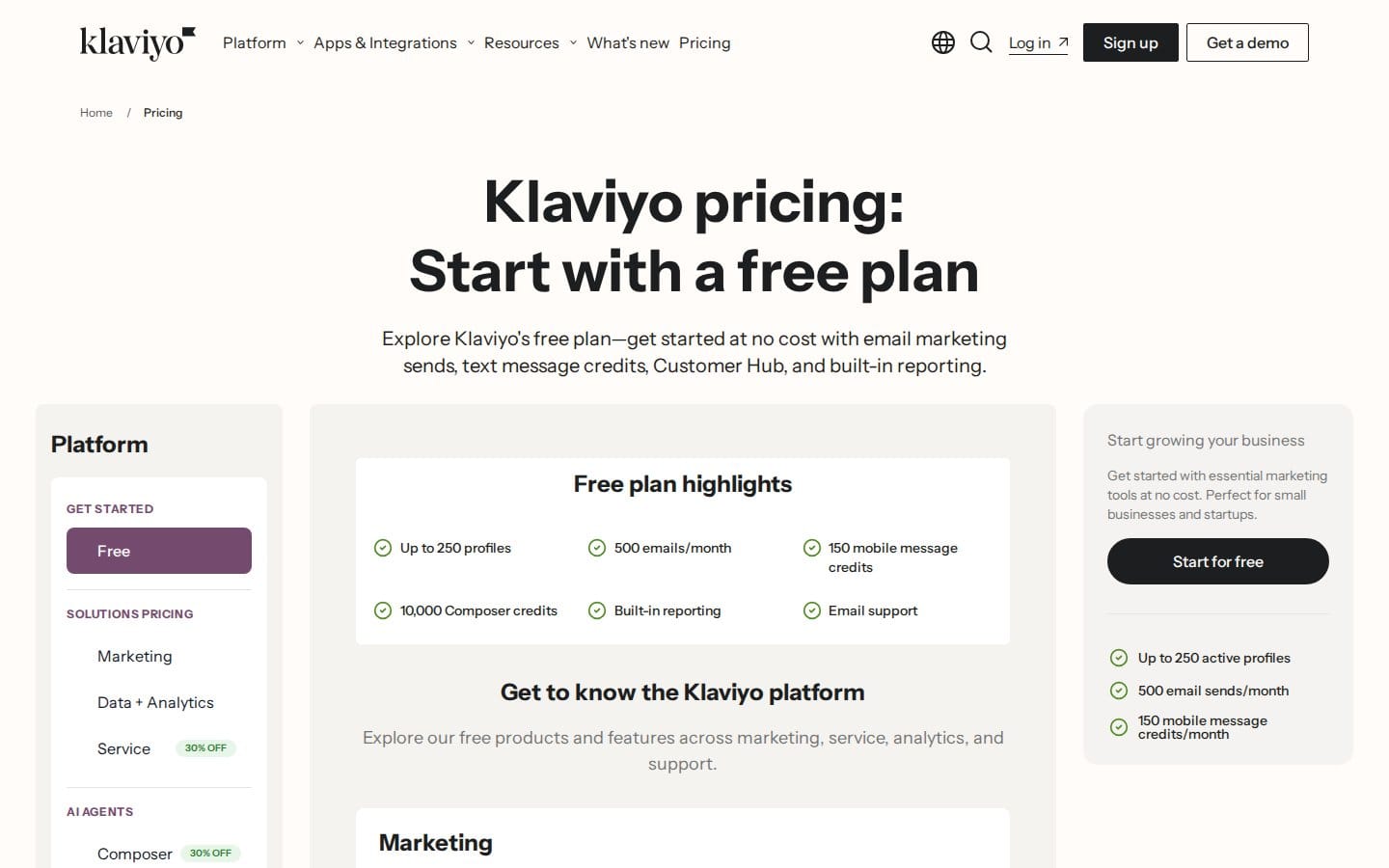
- Unified customer profiles that aggregate e-commerce and subscription event data for precise segmentation
- Automated flows triggered by subscription events (churn risk, failed payment, skip) via Recharge integration
- Predictive analytics for LTV and churn risk — directly relevant to subscription retention strategy
The strongest choice for Shopify-first subscription brands that want tight email-to-subscription data integration. The free plan caps at 250 active profiles and 500 email sends per month — fine for testing, not for running an active subscriber base.
Omnisend
Omnisend bundles email, SMS, and web push notifications in a single tool. Its drag-and-drop builder and pre-built automation workflows (abandoned cart, welcome series, browse abandonment) are accessible without a dedicated email specialist — which matters for smaller subscription teams. AI tools for subject lines and product recommendations are included across paid plans. If you're running SMS alongside email and want a single vendor for both, Omnisend is a genuine alternative to Klaviyo, particularly for WooCommerce brands where its integration is strong.
- Email, SMS, and web push notifications in one platform — reduces tool count for smaller teams
- AI-assisted email copy, subject lines, and product recommendations included on paid plans
- Audience segmentation based on shopping behaviour and marketing automation for key e-commerce flows
A solid pick for brands that want email and SMS under one roof, or for WooCommerce stores that find Klaviyo's e-commerce integrations less compelling. All outgoing emails on the Free plan carry Omnisend branding — upgrade before you go live with subscribers.
Customer support
Subscription support tickets have a different character to standard e-commerce queries. "When does my box ship?" "I need to skip next month." "I was charged but haven't received anything." These need fast, in-context resolution. The tools below surface order and subscription data directly in the support interface, so agents don't need to tab between five systems to answer a simple question.
Gorgias
Gorgias is built specifically for e-commerce, and its Shopify integration is the deepest in this category. Agents can see a subscriber's full order history, subscription status, and Recharge data directly in the ticket — and they can cancel orders, issue refunds, apply discounts, and edit orders without leaving the helpdesk. The omnichannel inbox pulls in email, chat, SMS, WhatsApp, Instagram, and Facebook. For subscription brands running on Shopify with Recharge, the three-way integration (Shopify, Recharge, Gorgias) is particularly well-tested.
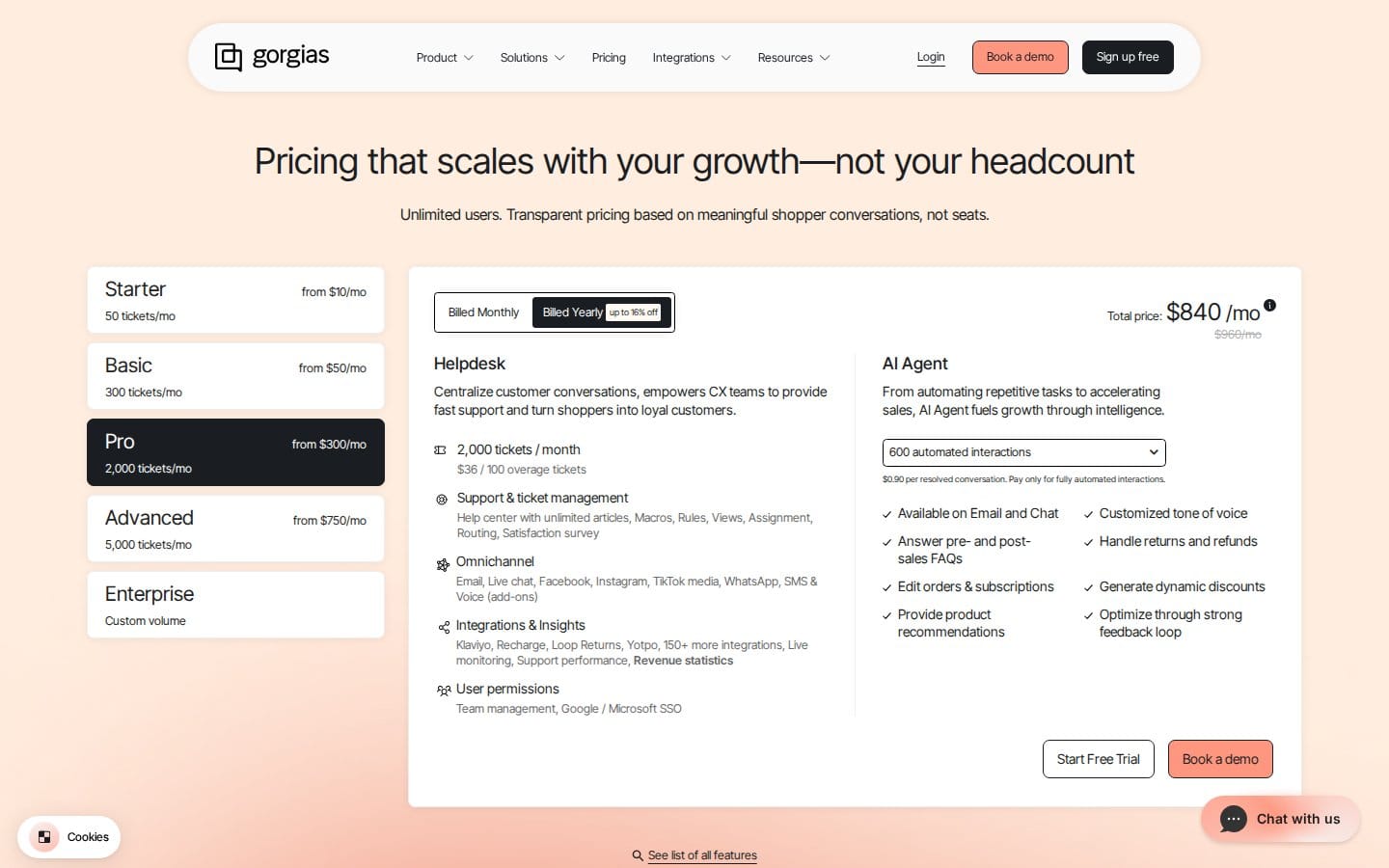
- Native Shopify integration — agents can cancel, refund, discount, and edit orders directly in the ticket view
- Recharge integration surfaces subscription data in-context, so agents can resolve billing queries without switching tools
- One omnichannel inbox for email, chat, SMS, WhatsApp, Instagram, and Facebook
The strongest choice for Shopify subscription brands where support volume justifies a dedicated helpdesk. AI Agent capabilities are an add-on billed separately at $0.90–$1.00 per resolved conversation, on top of the base helpdesk ticket fee — worth modelling before you enable it at scale.
Zendesk
Zendesk is the broader enterprise-grade support platform — omnichannel ticketing, a self-service Help Centre, AI-powered automation, workforce management, and quality assurance tools. It integrates with Shopify, Salesforce, Slack, HubSpot, and Jira. For subscription brands with large, specialised support teams (think: 20+ agents across multiple functions), Zendesk's routing, SLA management, and analytics depth justify the complexity. Smaller brands will find it heavier than they need.
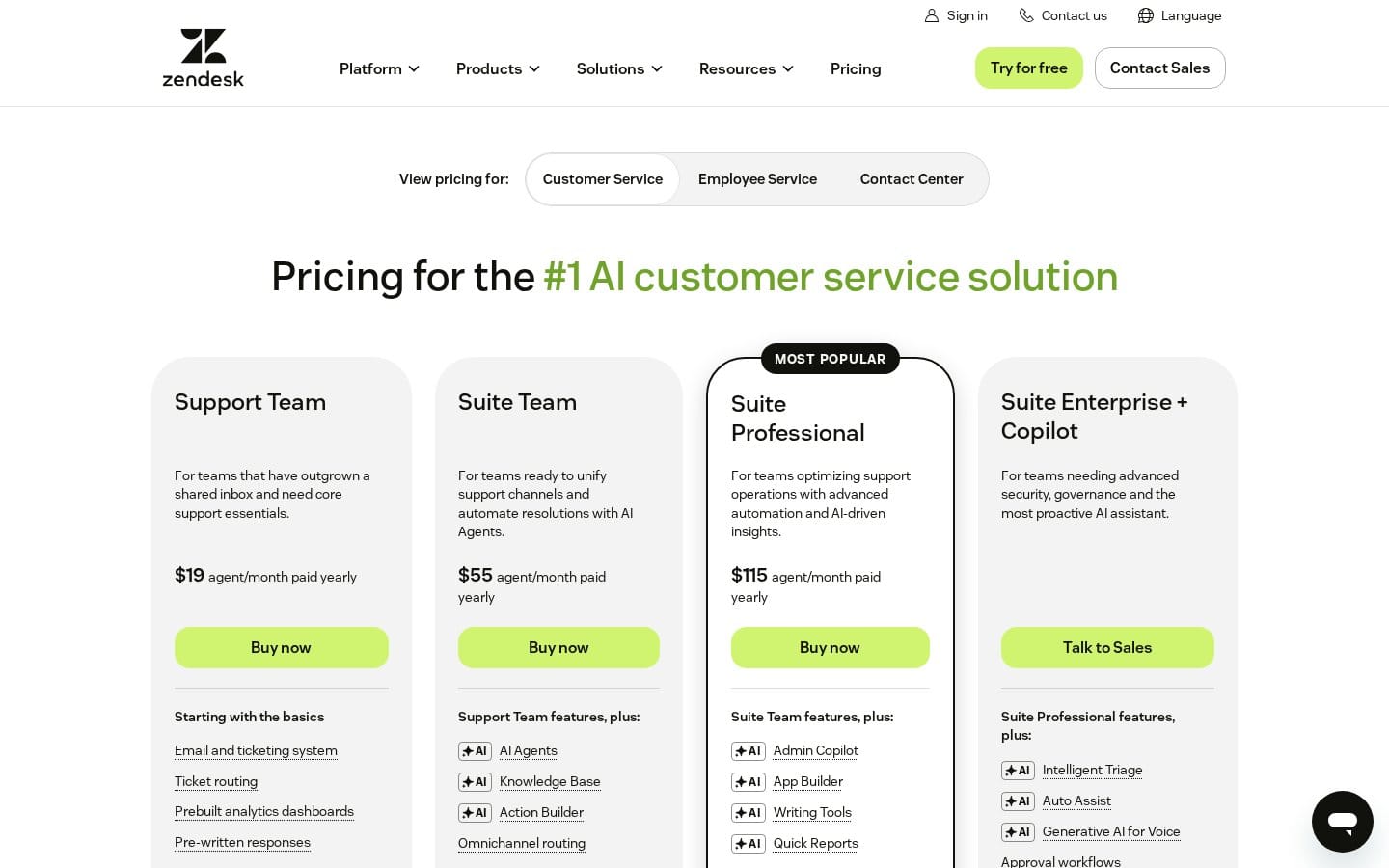
- Omnichannel ticketing across email, chat, phone, social, and messaging with skills-based routing
- Self-service knowledge base and Help Centre to deflect common subscription queries
- Advanced analytics via Zendesk Explore for support team performance and SLA tracking
Built for support teams handling high ticket volumes across large organisations. Advanced AI features and certain add-ons are often locked behind higher tiers or carry additional costs — factor that into the total.
Analytics
Standard website analytics tell you where traffic comes from. Subscription analytics need to tell you which acquisition channels produce subscribers who actually stay, which cohorts churn fastest, and what your LTV looks like by SKU or box theme. The two tools below serve different parts of that picture — and they complement rather than compete with each other.

Google Analytics
Google Analytics 4 (GA4) is the free baseline for tracking website behaviour, conversion funnels, and traffic sources. Real-time monitoring, audience behaviour analysis, and AI-powered anomaly detection are all included in the free tier. For subscription brands, the funnel and path exploration tools are particularly useful for identifying where prospective subscribers drop off before checkout. It integrates natively with Google Ads, Google Tag Manager, and Shopify.
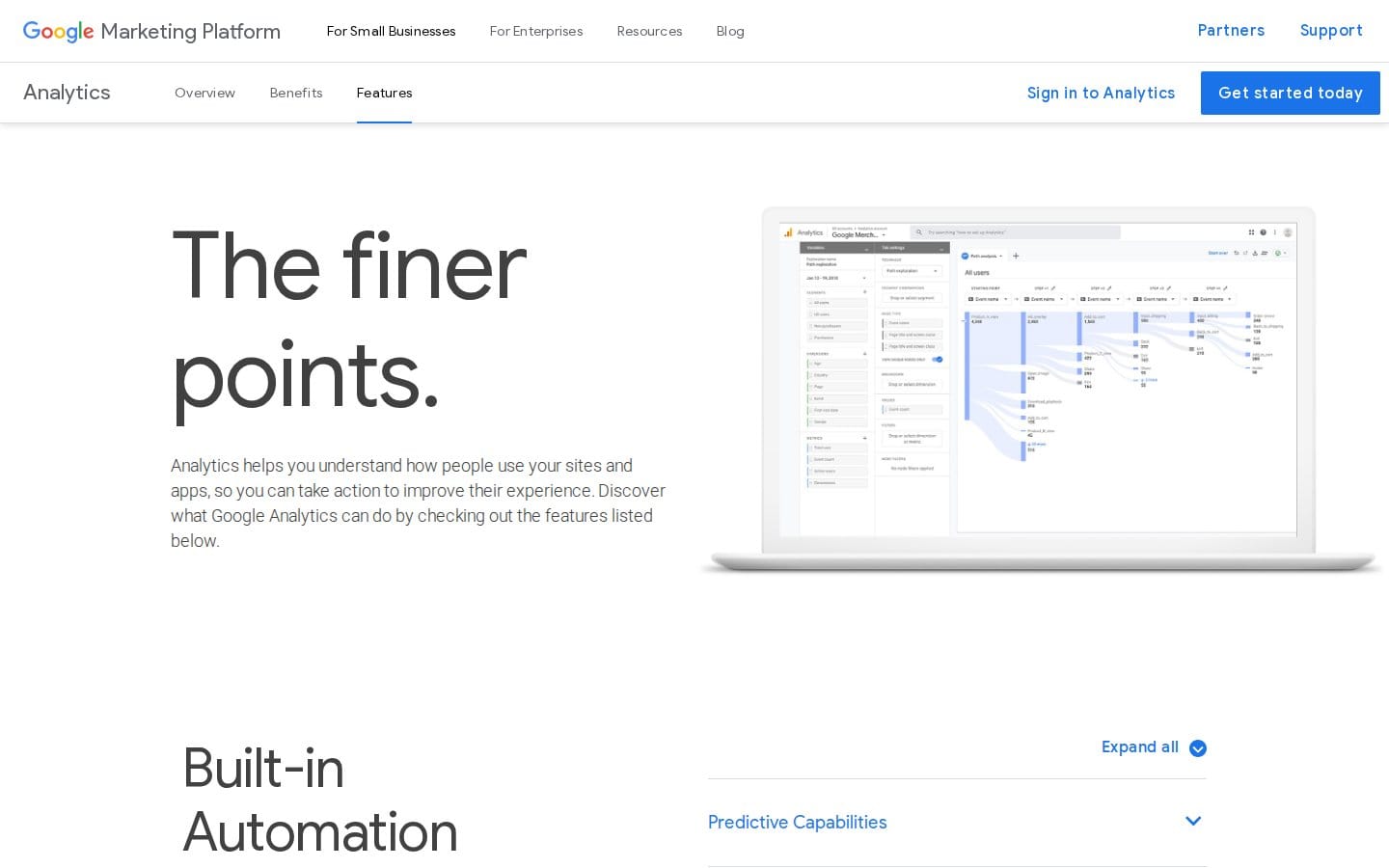
- Funnel and path exploration for understanding where prospective subscribers drop out of the acquisition flow
- AI-powered predictive metrics and anomaly detection included in the free tier
- Cross-platform data collection for web and mobile app activity
The essential free baseline for any subscription brand — use it for traffic and acquisition analysis. The free GA4 plan limits data retention to 14 months and applies data sampling at high traffic volumes, which can be a constraint for brands doing detailed cohort analysis over longer time horizons.
Triple Whale
Triple Whale is a unified analytics and attribution platform built for DTC e-commerce brands. Its Triple Pixel handles first-party attribution across ad platforms — which matters more as third-party cookie tracking degrades — and the Unified Dashboard aggregates data from Shopify, Meta, Google Ads, TikTok, Klaviyo, and Recharge in one view. The Moby AI agent can surface automated insights and run analysis on demand. For subscription brands spending meaningfully on paid acquisition, the question that actually matters is which campaigns produce high-LTV subscribers, not just first-time buyers. That's what Triple Whale is built to answer.
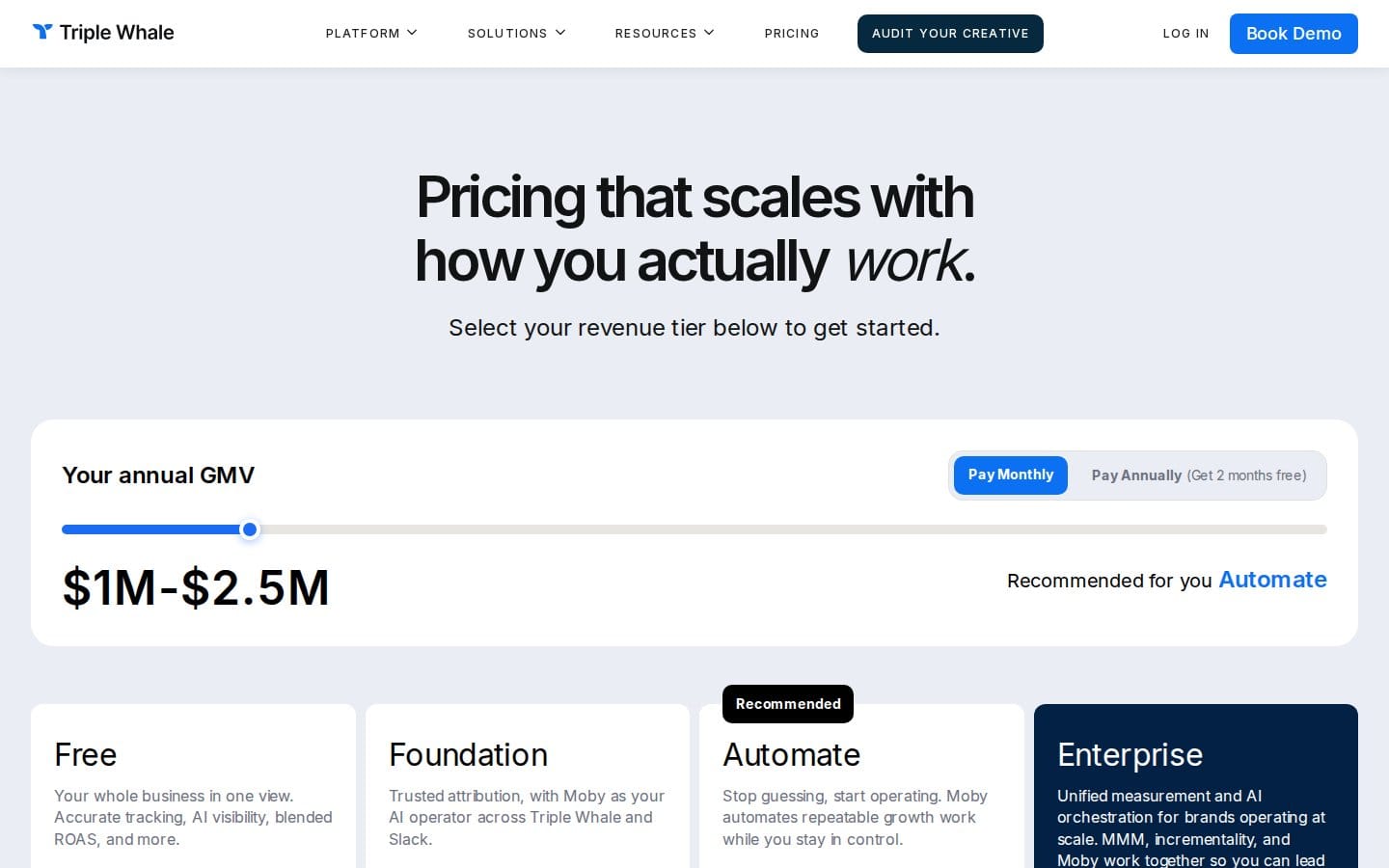
- Triple Pixel for first-party attribution — reduces reliance on platform-reported ROAS figures
- Unified Dashboard pulls Shopify, Recharge, Klaviyo, and ad platform data into one view
- Multi-touch attribution and marketing mix modelling for understanding subscriber acquisition channel performance
Most valuable for brands with meaningful paid acquisition spend who need reliable attribution beyond what ad platforms self-report. Triple Whale doesn't offer SKU-level profitability analysis — pair it with your accounting data for that.
Inventory management
Subscription box inventory is genuinely different from standard e-commerce stock management. You're not replenishing based on daily sales velocity — you're forecasting based on subscriber counts (plus expected churn and growth) and building purchase orders around a fixed monthly pack day. A brand with 1,500 subscribers needs 1,500 of every item in the box, assembled and ready before pack day, with nothing left over. Generic inventory tools often miss that logic entirely.
Honestly, most brands don't discover this until they've already over-ordered twice and written off the surplus.
Ceendesis
Ceendesis combines multi-channel inventory management, EPR compliance, and marketplace-to-accounting sync in one platform. For subscription brands selling across Shopify and Amazon (or building toward it), having IMS and accounting reconciliation in the same tool cuts the manual work of tracking what's been consumed in fulfilment versus what's been sold on secondary channels. The native Xero and QuickBooks reconciliation handles marketplace payout reconciliation — which gets messy fast when subscription billing fees stack on top of standard platform fees. Our guide to consolidated multi-channel bookkeeping covers the underlying accounting logic in detail. If you're also shipping packaged goods into the EU or UK, the EPR compliance layer handles packaging obligations you'd otherwise track manually — see our overview of EPR compliance deadlines and fines for e-commerce for context.
- Combines multi-channel inventory, EPR compliance, and marketplace-to-accounting sync in one platform
- Built for brands selling on Shopify, Amazon, eBay, Walmart, and TikTok Shop
- Native Xero and QuickBooks reconciliation for marketplace payouts
Built for brands on 2+ marketplaces — overkill for single-channel Shopify-only stores.
Returns management
Returns are less central to subscription boxes than to fashion or electronics — you're typically not returning a curated monthly box the way you'd return a pair of jeans. But they're not irrelevant: damaged goods, shipping errors, and the particular messiness of gift subscriptions all generate return requests. A self-service returns portal reduces support ticket volume and keeps the experience clean.
Loop Returns
Loop Returns is an exchange-first returns platform built for Shopify brands. Its self-service portal lets customers initiate returns and select exchanges without contacting support, and the Shop Now feature lets them browse the full catalogue for an exchange rather than being limited to the same item. Automated return policies and workflows cut the manual adjudication work for your team. The fraud detection layer is useful if you're running a gift subscription model where abuse is more likely.
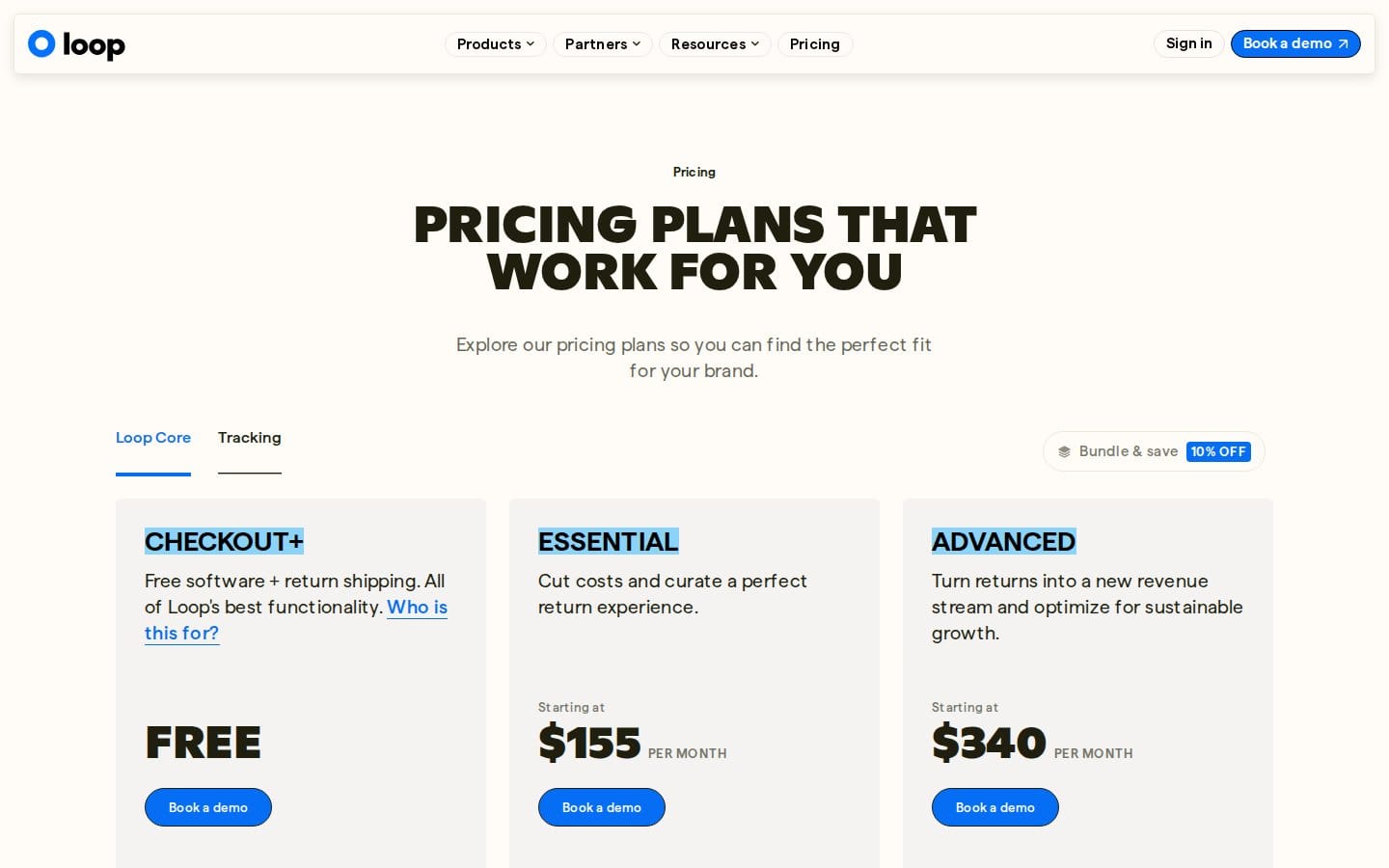
- Exchange-first return flow with Shop Now and Instant Exchanges — retains revenue that would otherwise be refunded
- Self-service returns portal reduces support ticket volume for straightforward return requests
- Automated return policies, workflows, and fraud detection
Best for Shopify brands with meaningful return volumes who want to convert returns into exchanges rather than refunds. Order Tracking pricing is based on plan and monthly shipment volume, with additional per-shipment fees beyond the monthly estimate — model that carefully if you're shipping high volumes.
AfterShip Returns
AfterShip Returns is a more platform-agnostic returns solution that works across Shopify, BigCommerce, and WooCommerce. It offers a branded returns page, automated returns processing, real-time return shipment tracking, and incentivised exchanges and store credits. For WooCommerce subscription brands that can't use Loop (which is Shopify-native), AfterShip is the practical alternative. The entry-level tier is accessible for smaller brands.
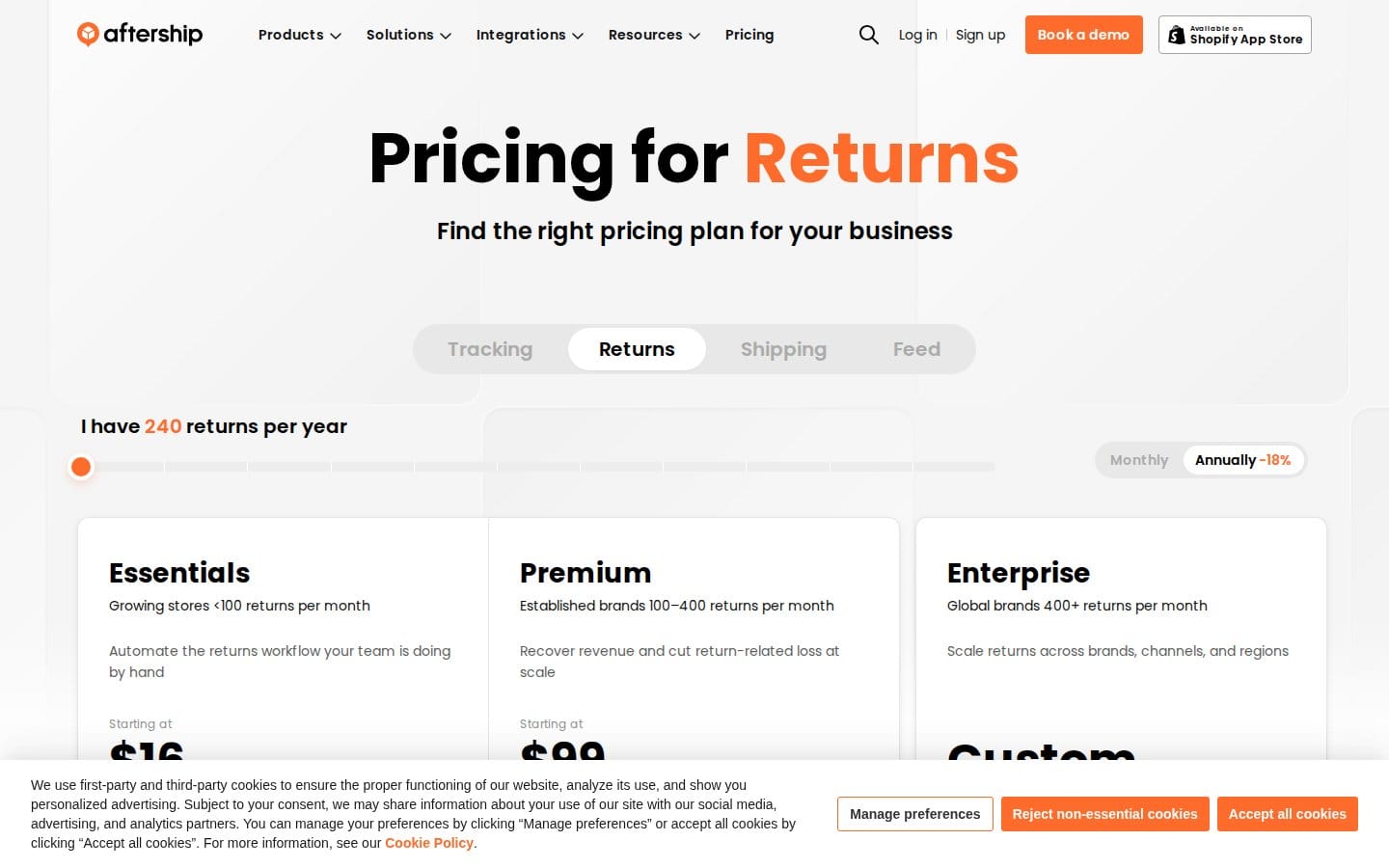
- Works across Shopify, BigCommerce, and WooCommerce — not locked to a single platform
- Branded returns page and real-time tracking keep the post-purchase experience consistent
- Incentivised exchanges and store credits to retain revenue on returns
A strong pick for WooCommerce subscription brands or multi-platform operations where Loop's Shopify-only model doesn't fit. All pricing tiers cap the number of returns per year — extra returns incur an additional per-return fee, so factor that into your cost model if you have seasonal return spikes.
Loyalty and rewards
Loyalty programmes make particular sense for subscription brands because you already have a recurring relationship with the customer — the programme reinforces it rather than starting from scratch. The goal is reducing churn. VIP tiers and referrals give subscribers a concrete reason to stay past month three, when the novelty has worn off and inertia is no longer doing the work for you.
Smile.io
Smile.io is a loyalty platform built primarily for Shopify and BigCommerce brands. It supports points programmes, VIP tiers, and referral programmes, with embedded loyalty blocks that surface in the storefront and at checkout. The Recharge and Klaviyo integrations mean subscription events (renewal, skip, upgrade) can trigger loyalty point awards or tier changes. That's how retention value actually materialises — not from points sitting in an account, but from the programme reacting to what the subscriber just did.
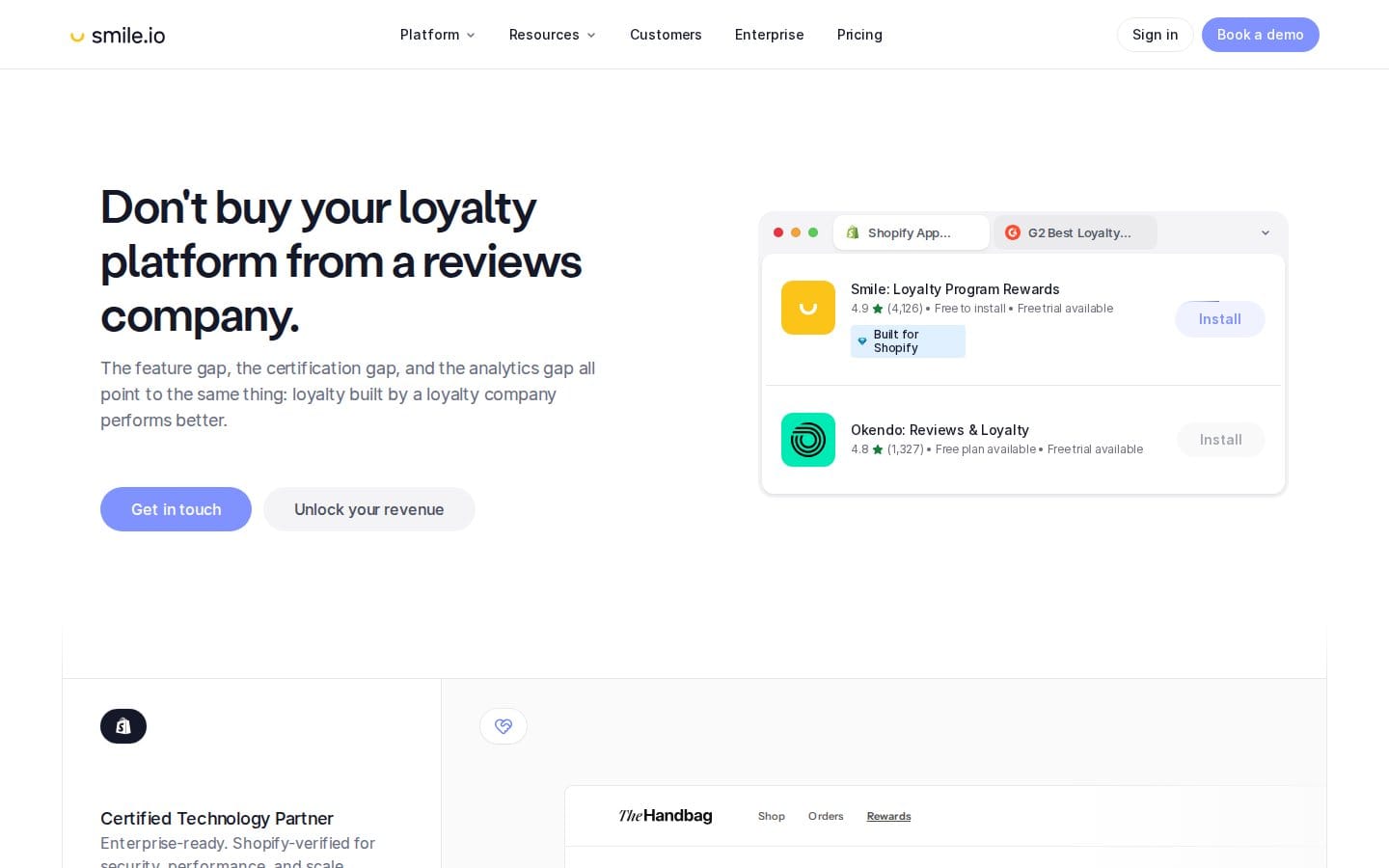
- Points, VIP tiers, and referral programmes with embedded loyalty blocks at checkout
- Recharge and Klaviyo integrations allow subscription events to trigger loyalty rewards
- Performance benchmarks for comparing programme metrics against similar brands
A strong default for Shopify subscription brands that want a mature, well-integrated loyalty layer. API access isn't available below the Plus plan — if you need programmatic loyalty logic, budget for that tier.
Growave
Growave bundles loyalty and rewards alongside product reviews, wishlists, shoppable Instagram galleries, and social login in a single Shopify app. For smaller subscription brands that want multiple retention features without paying for separate tools, Growave's consolidated approach reduces both cost and integration complexity. The Recharge and Klaviyo integrations are present, though not as deep as Smile.io's. If UGC and social proof are part of your acquisition strategy, the reviews and Instagram gallery features are a practical addition rather than an afterthought.
- Bundles loyalty, reviews, wishlists, and social login in one app — fewer tools to manage and pay for
- Loyalty and rewards including points, VIP tiers, and referrals with Recharge integration
- Product reviews and UGC features alongside retention tools — useful for brand-building
Best for smaller Shopify subscription brands that want a consolidated retention and social proof tool at lower cost. The free plan covers stores with up to 100 orders per month, with a lifetime total cap of 500 orders — you'll need a paid plan once you're past early launch.
The stack at a glance
| Category | Tool | Free tier | Best integration |
|---|---|---|---|
| E-commerce platform | Shopify | Yes (trial) | Recharge, Klaviyo, Gorgias |
| E-commerce platform | WooCommerce | Yes (plugin) | Omnisend, AfterShip Returns |
| Subscriptions | Recharge | No | Shopify, Klaviyo, Gorgias |
| Subscriptions | Chargebee | Yes | Xero, QuickBooks, Stripe |
| Email marketing | Klaviyo | Yes | Shopify, Recharge, Triple Whale |
| Email marketing | Omnisend | Yes | Shopify, WooCommerce, BigCommerce |
| Customer support | Gorgias | No | Shopify, Recharge, Klaviyo |
| Customer support | Zendesk | No | Salesforce, HubSpot, Shopify |
| Analytics | Google Analytics | Yes | Google Ads, Shopify, Tag Manager |
| Analytics | Triple Whale | Yes | Shopify, Recharge, Klaviyo, Meta |
| Inventory management | Ceendesis | No | Shopify, Amazon, Xero, QuickBooks |
| Returns management | Loop Returns | Yes (Checkout+) | Shopify, Gorgias, Klaviyo |
| Returns management | AfterShip Returns | Yes | Shopify, BigCommerce, WooCommerce |
| Loyalty and rewards | Smile.io | Yes | Shopify, Recharge, Klaviyo |
| Loyalty and rewards | Growave | Yes | Shopify, Klaviyo, Recharge |
Frequently asked questions
What software do I need to start a subscription box business?
At minimum, you need three things: an e-commerce platform (Shopify or WooCommerce), a subscription billing app (Recharge is the most common for Shopify), and an email marketing platform (Klaviyo or Omnisend). Everything else — support, analytics, loyalty, returns — can wait until you have paying subscribers and a clearer picture of where your operational friction actually is. Getting your accounting and bookkeeping set up correctly from day one is also worth prioritising early — subscription billing creates reconciliation complexity that's much easier to design around than retrofit.
How do I manage inventory for a monthly subscription box?
The key shift is moving from sales-velocity
Screenshots are from each tool's public pricing or features page, captured July 2026. We are not affiliated with any third-party tool listed unless explicitly noted.