
The Retention-Focused Post-Purchase Operations Stack

Last verified: July 2026
Key takeaways
- Customer acquisition costs have risen roughly 60% over the past five years — retaining the customers you already have is now the highest-leverage play in e-commerce.
- A post-purchase operations stack covers support, reviews, analytics, returns, subscriptions, loyalty, and on-site experience — each category compounds the others.
- A 5% lift in retention can increase profits by 25–95%; the tools in this stack exist specifically to drive that lift.
- Not every category is essential at every stage — the closing section maps which tools to prioritise as you scale.
- Ceendesis sits at the foundation, connecting inventory, marketplace data, and accounting so every post-purchase touchpoint works off accurate, real-time numbers.
Ecommerce brands now lose an average of $29 on every new customer acquired, once you factor in marketing costs and returns. The only way to recover that is through repeat purchases — which means the work doesn't end at checkout. It starts there.
The post-purchase experience is the full arc from order confirmation to the next purchase: tracking, support, returns, loyalty, subscriptions, and everything in between. Done well, it's the most cost-efficient retention strategy you have. Done badly — or left to a patchwork of disconnected tools — it's a churn machine. Automating order management is one piece of it. But the full post-purchase operations stack goes further.
This article maps every category you need, the two best tools in each, and — honestly — which ones you can skip when you're smaller. It's built for operations managers and brand founders running on Shopify or Amazon (or both), who want to know what fits their stage without buying a suite they'll only use 30% of.
Operations and inventory
Here's what most post-purchase stacks miss: all the proactive communication, accurate delivery estimates, and real-time return processing in the world falls apart if your inventory data is wrong. That's why operations and inventory sit at the foundation — not at the end.
Ceendesis
Ceendesis is a multi-channel operations platform combining inventory management, EPR compliance, and marketplace-to-accounting sync in one place — so the data feeding your post-purchase tools is always current. If a customer contacts support about a delayed order, your agent can see live stock levels. If a return triggers a refund, it flows cleanly into your books. That connective tissue matters more than most brands realise until it's missing. It also links naturally to the financial side: if you've ever wondered why your Amazon and Shopify payouts don't match your books, that's exactly the problem Ceendesis is built to solve.
Strengths
- Combines multi-channel inventory, EPR compliance, and marketplace-to-accounting sync in one platform
- Built for brands selling on Shopify, Amazon, eBay, Walmart, and TikTok Shop
- Native Xero and QuickBooks reconciliation for marketplace payouts
Best fit
Built for brands on 2+ marketplaces — overkill for single-channel Shopify-only stores.
Customer support
Post-purchase support is where retention is won or lost in real time. A customer who gets a fast, accurate answer to a shipping question — without leaving the conversation to check their order status — is far more likely to buy again. The best e-commerce helpdesks don't just manage tickets; they surface order data, trigger actions (refunds, cancellations, discounts), and close the loop without your team manually touching every interaction.
Gorgias
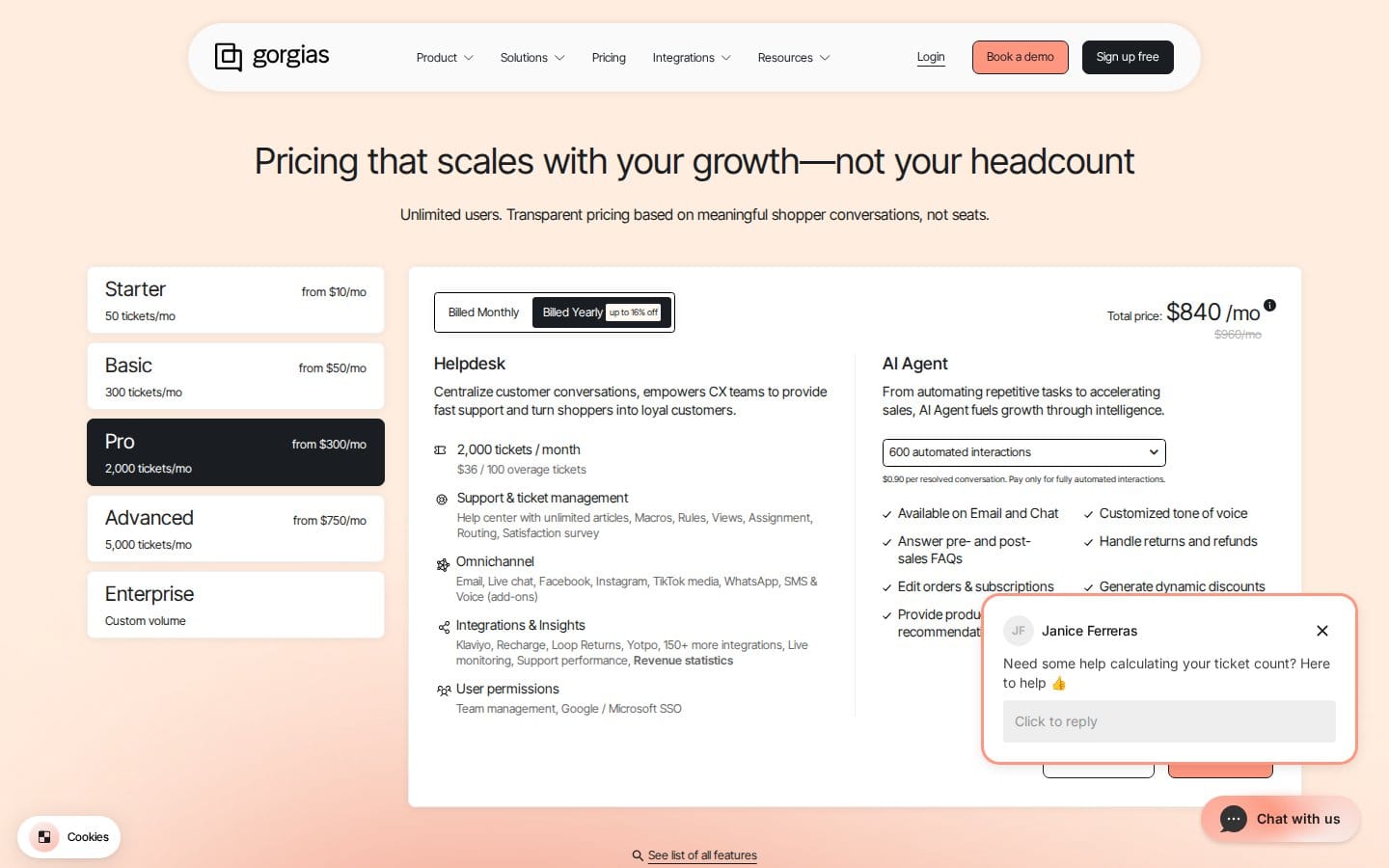
Gorgias is purpose-built for e-commerce support, and it shows. The native Shopify integration means agents can cancel orders, apply discounts, trigger refunds, and edit orders without leaving the ticket. That's not a nice-to-have — it's the difference between a two-minute resolution and a five-email thread.
Strengths
- One omnichannel inbox covering email, chat, SMS, WhatsApp, Instagram, and Facebook — no tab-switching
- Native Shopify integration for in-conversation actions: cancellations, refunds, discounts, order editing
- Revenue attribution reporting so you can see which support interactions actually drive sales
Best fit
Strong for Shopify-first brands with growing ticket volumes — but note that the AI Agent is an add-on billed separately per resolved conversation, on top of your helpdesk plan fee.
Zendesk
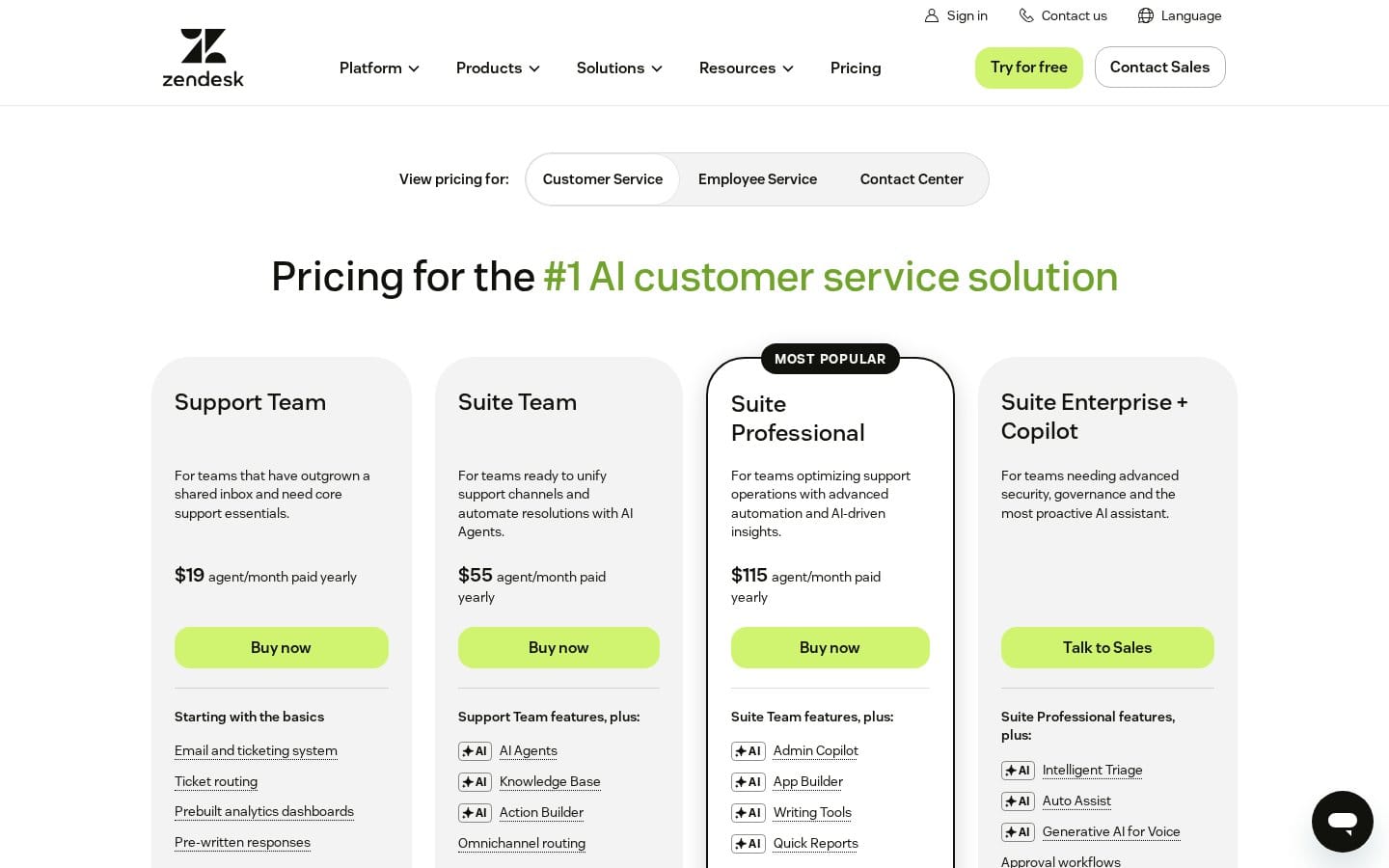
Zendesk is the enterprise-grade option: deeper customisation, stronger workforce management tools, and a broader integration ecosystem. It connects to Salesforce, Jira, HubSpot, and Slack natively, which matters if your support team sits inside a larger ops or CX org.
Strengths
- Omnichannel ticketing across email, chat, phone, social, and messaging apps in one system
- Self-service knowledge base and Help Centre to deflect repetitive post-purchase queries
- Workforce management and quality assurance tools for larger support teams
Best fit
Better suited to larger brands or those with multi-team support structures — advanced AI features and certain add-ons are locked behind higher tiers or billed separately.
Customer reviews
Reviews close the post-purchase loop. They give new shoppers confidence and give returning shoppers a reason to feel heard. The operational side is collecting them at the right moment, displaying them where they convert, and responding before negative feedback festers. Leave this on autopilot — or don't run it at all — and you're leaving social proof on the table.
Yotpo
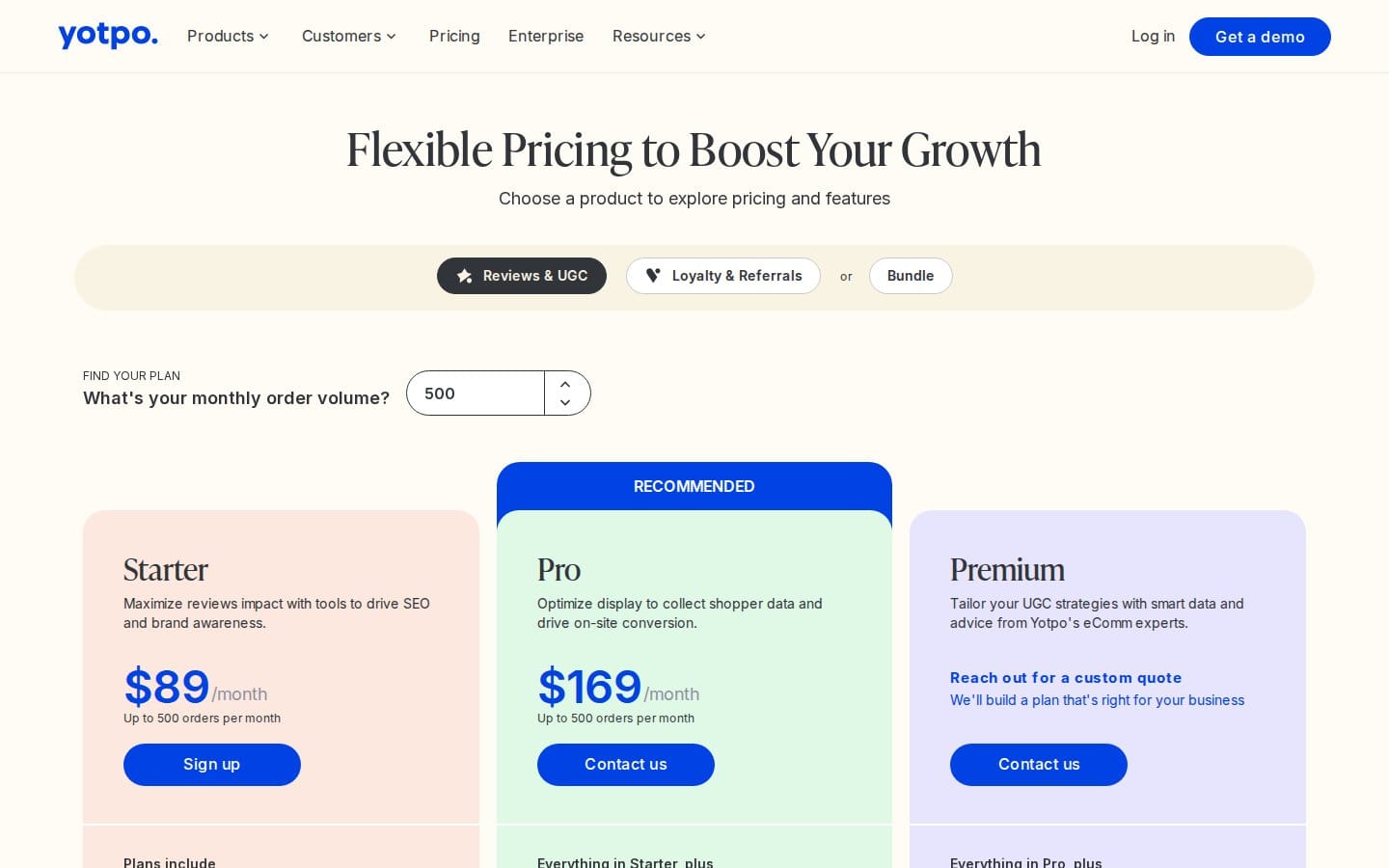
Yotpo goes beyond review collection. It bundles loyalty programmes, SMS and email flows, and AI-powered review summaries into a single platform — fewer integration points if you're also looking at loyalty and retention marketing in one place.
Strengths
- Collects and displays product reviews, ratings, photos, and videos via email, SMS, and AI prompts
- Loyalty and referral programmes including points-for-purchase, VIP tiers, and custom rewards
- AI-powered review summaries and sentiment analysis to surface actionable product insights
Best fit
A strong all-in-one choice for brands that want reviews, loyalty, and SMS under one roof — though the Starter tier for Reviews & UGC caps at 500 orders per month, so fast-growing brands will hit the ceiling quickly.
Trustpilot
Trustpilot is the external trust signal Yotpo can't fully replicate. It's a consumer-facing review platform — its TrustScore carries weight because shoppers recognise it independently of your brand. If you're selling to new audiences who don't know you yet, that third-party credibility converts.
Strengths
- Collect and manage customer reviews on a widely recognised, consumer-trusted platform
- Display reviews and TrustScore on-site using embeddable widgets
- Analytics to track review trends and performance over time
Best fit
Best for brands where third-party social proof matters — particularly those selling to cold audiences or in competitive categories — though API access is only available on the Enterprise plan.
Analytics
You can't improve what you can't measure. In a post-purchase context, analytics tells you where customers drop off, which acquisition channels produce customers who actually come back, and whether your retention investments are moving the needle. The two tools here serve different purposes — one is free and ubiquitous, the other is purpose-built for DTC attribution.
Google Analytics 4
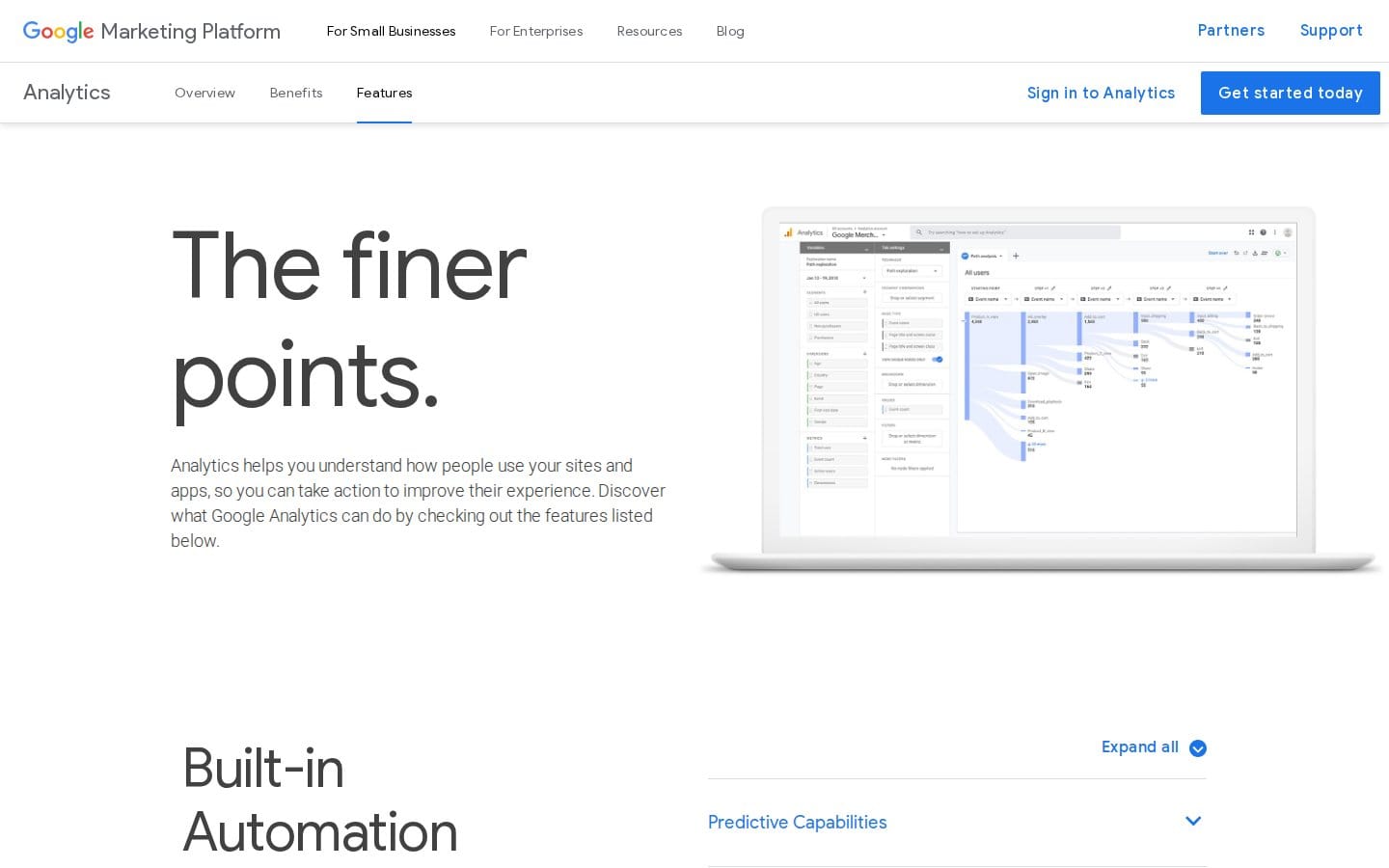
Google Analytics 4 is the baseline. It's free, it's everywhere, and its e-commerce analytics give you conversion tracking, funnel analysis, and audience behaviour data that feeds every other decision in your post-purchase stack. The learning curve is steeper than its predecessor, but there's no reasonable alternative at free tier for this breadth of data.
Strengths
- Real-time monitoring with e-commerce conversion tracking and funnel analysis — all free
- AI-powered predictive metrics and anomaly detection to flag unusual patterns automatically
- Deep integrations with Google Ads, BigQuery, and Shopify for a connected data picture
Best fit
The right starting point for almost every brand — though the free GA4 plan limits data retention to 14 months and uses data sampling at high traffic volumes, which can affect accuracy at scale.
Triple Whale
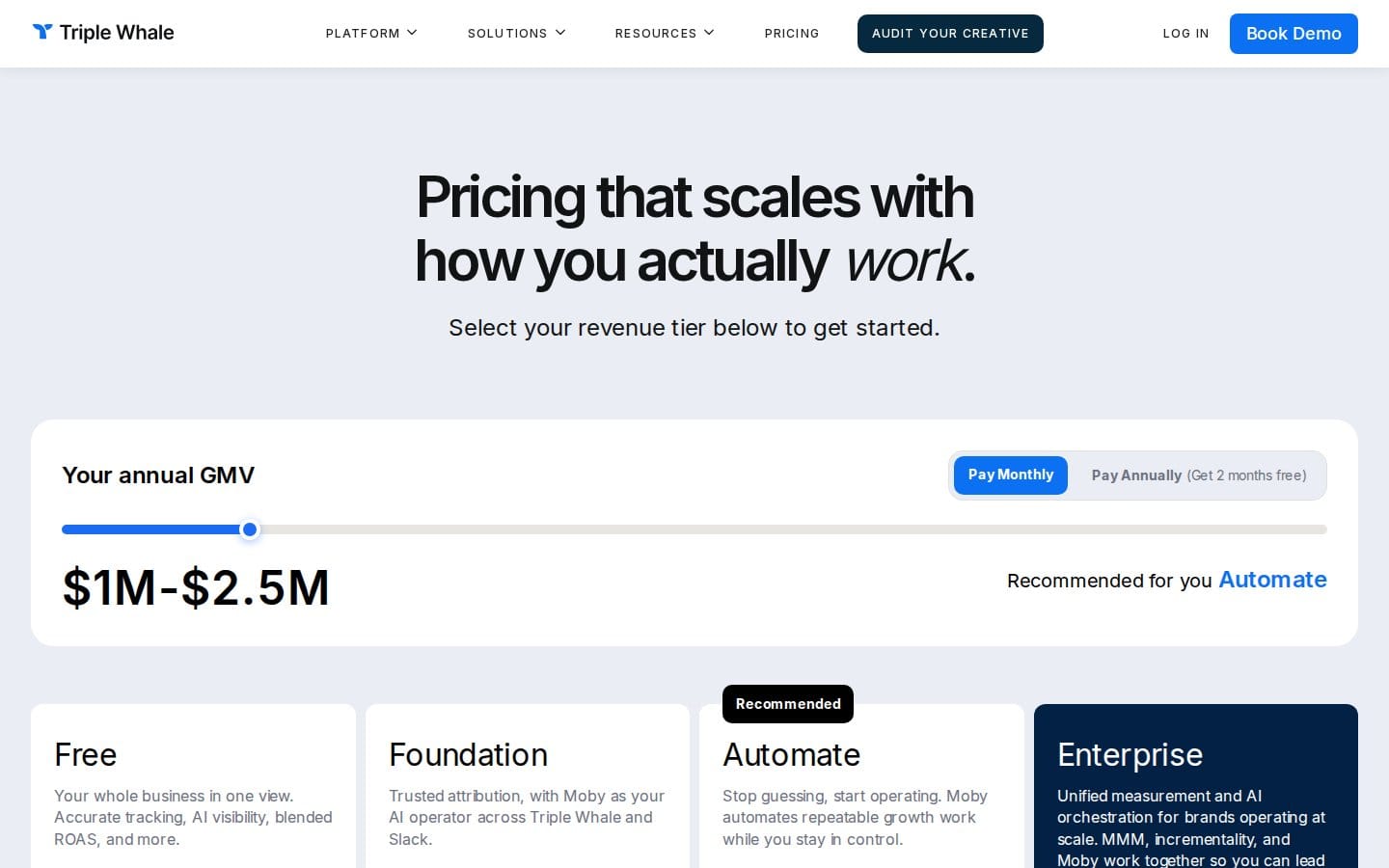
Triple Whale is the analytics layer DTC brands add once GA4 stops answering the questions that actually matter: which ad really drove that purchase, what's my actual ROAS after returns, what's the LTV by channel? Its first-party Triple Pixel and Moby AI agent pull together Shopify, ad platform, email, and logistics data into a unified dashboard. If you're spending meaningfully on paid acquisition, the attribution clarity alone usually justifies the cost.
Strengths
- Triple Pixel for first-party attribution across platforms — more reliable than GA4 alone in a post-cookie world
- Moby AI for automated analysis, insight surfacing, and reporting without manual data pulls
- Unified dashboard aggregating Shopify, Meta, Google, email, and logistics data in one view
Best fit
Excellent for scaling DTC brands running multi-channel paid acquisition — Triple Whale doesn't offer SKU-level profitability analysis, so brands needing deep unit economics should pair it with a dedicated inventory tool like Ceendesis.
Returns
Returns aren't a cost centre you grudgingly manage. Done right, they're a retention moment — a chance to exchange instead of refund, resolve frustration, and bring a customer back. The ops goal is making returns self-serve, fast, and exchange-first wherever possible. Managing inventory for D2C brands gets significantly harder when returns aren't tracked in real time, so this category connects directly to your stock accuracy too.
Loop Returns
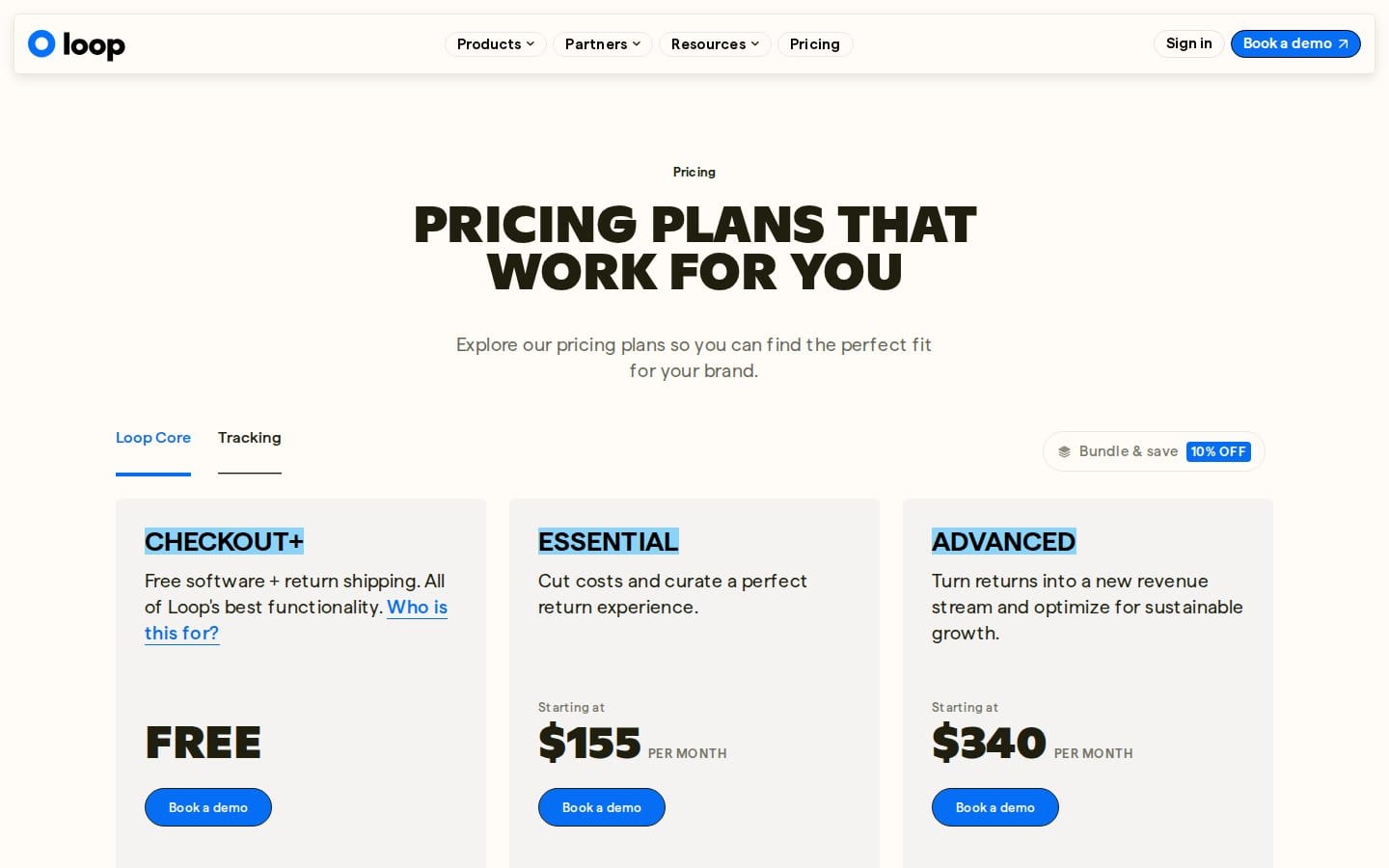
Loop Returns is built specifically for Shopify merchants who want to turn returns into exchanges. The Shop Now flow lets customers browse and swap to a new product before the original is even shipped back — which means you keep the revenue instead of issuing a refund. For apparel brands especially, this matters.
Strengths
- Exchange-first return flow with Shop Now and Instant Exchanges to retain revenue at the point of return
- Automated return policies and workflows to cut manual handling
- Fraud detection to flag serial returners before they drain your margins
Best fit
The standout choice for Shopify brands with meaningful return volumes — note that Order Tracking pricing is volume-based, with a flat fee covering a monthly shipment estimate and additional per-shipment charges beyond that.
Narvar
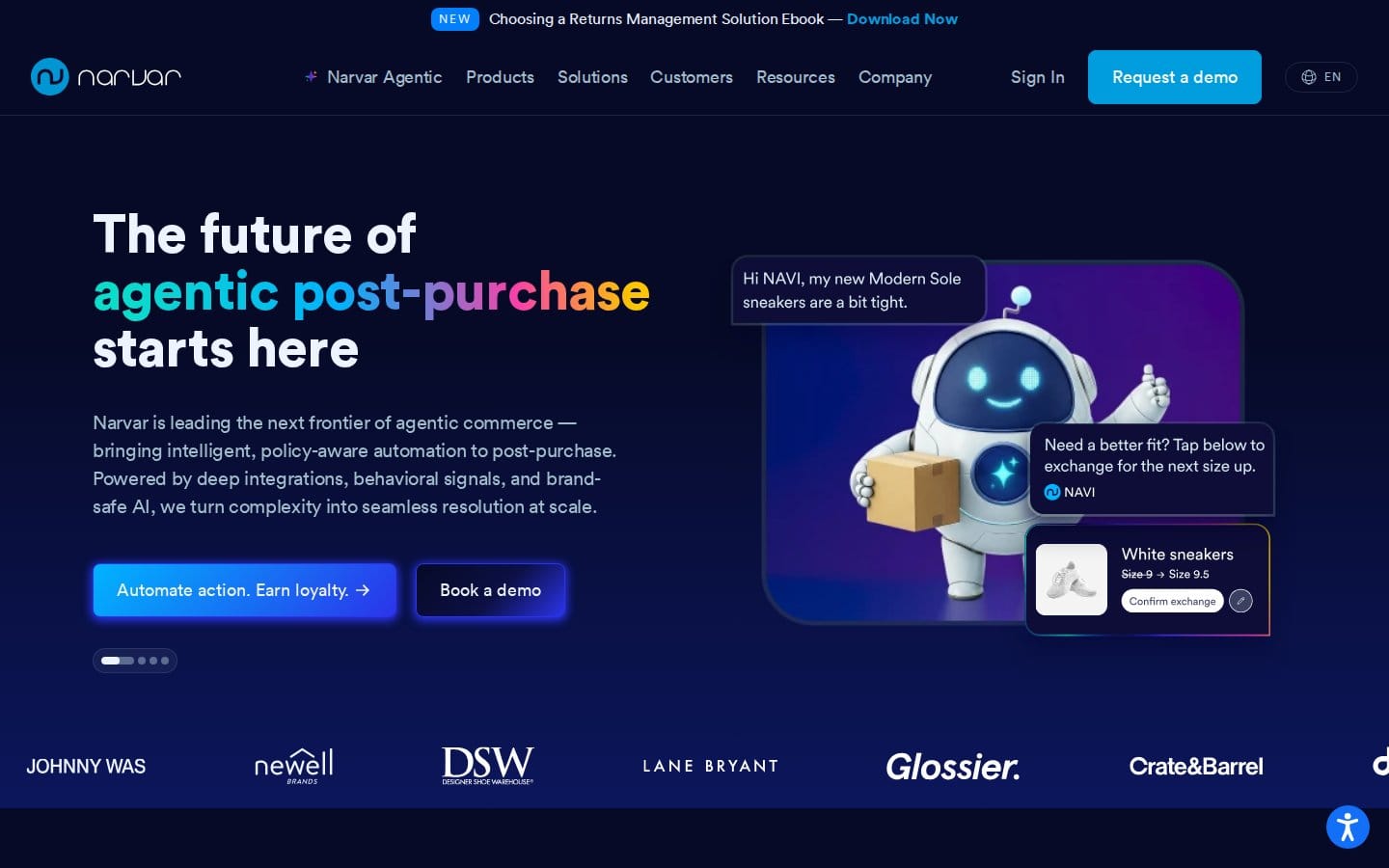
Narvar plays in a different weight class. Its AI-powered delivery promise engine, branded tracking pages, proactive notifications, and delivery claim management make it a full post-purchase experience platform — not just a returns tool. If you're processing hundreds of thousands of orders annually and need to personalise the post-purchase journey at scale, Narvar has the depth.
Strengths
- AI-powered delivery date estimates (Promise) to reduce WISMO contacts before they happen
- Personalised tracking experiences and proactive notifications (Notify) at scale
- Intelligent Retail Insights Service (IRIS™) for deep post-purchase analytics
Best fit
Built for enterprise retailers handling high order volumes — Narvar doesn't publish pricing and requires a direct sales conversation, which tells you something about where it sits on the cost spectrum.
Subscriptions
Subscriptions are the highest-LTV model in e-commerce, and the hardest to execute well. Churn prevention, failed payment recovery, flexible self-service options, and bundle management all need to work without friction — because a subscriber who hits a wall cancels, and winning them back costs more than keeping them would have. This is a category where the right tool pays for itself quickly.

Recharge
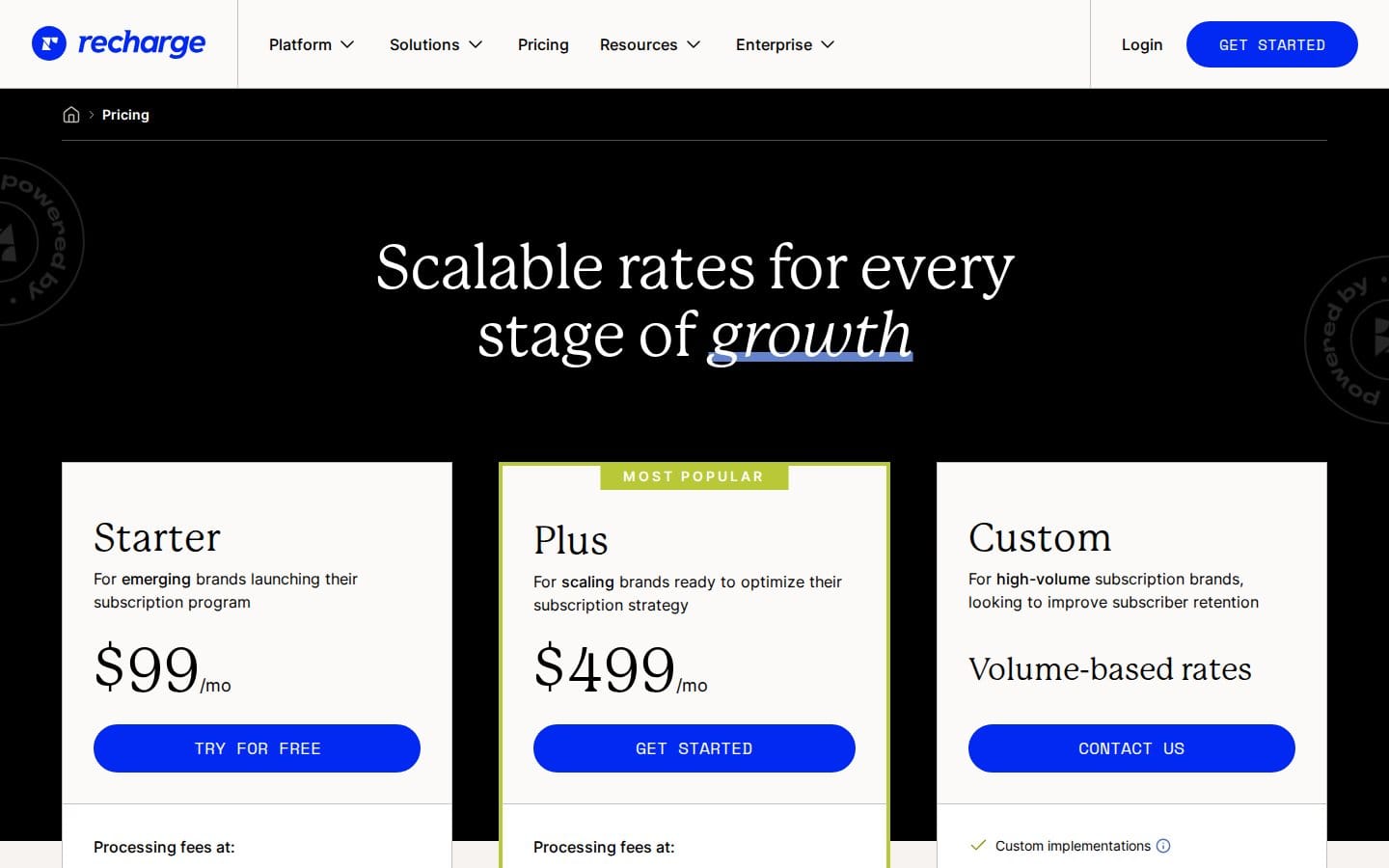
Recharge is the dominant subscription platform for Shopify and BigCommerce brands. Its customer portal gives subscribers genuine self-service control — skip, reschedule, swap products, update payment — which cuts the cancellation rate that comes from subscribers who just wanted a pause, not an exit.
Strengths
- Customisable customer portal with self-service options that reduce cancellation-driven churn
- Smart cancellation prevention and win-back campaigns to recover at-risk subscribers
- Failed payment recovery to protect recurring revenue without manual intervention
Best fit
The go-to for Shopify subscription brands — bundle functionality requires the Plus plan or higher, so factor that in if bundles are core to your offer.
Chargebee
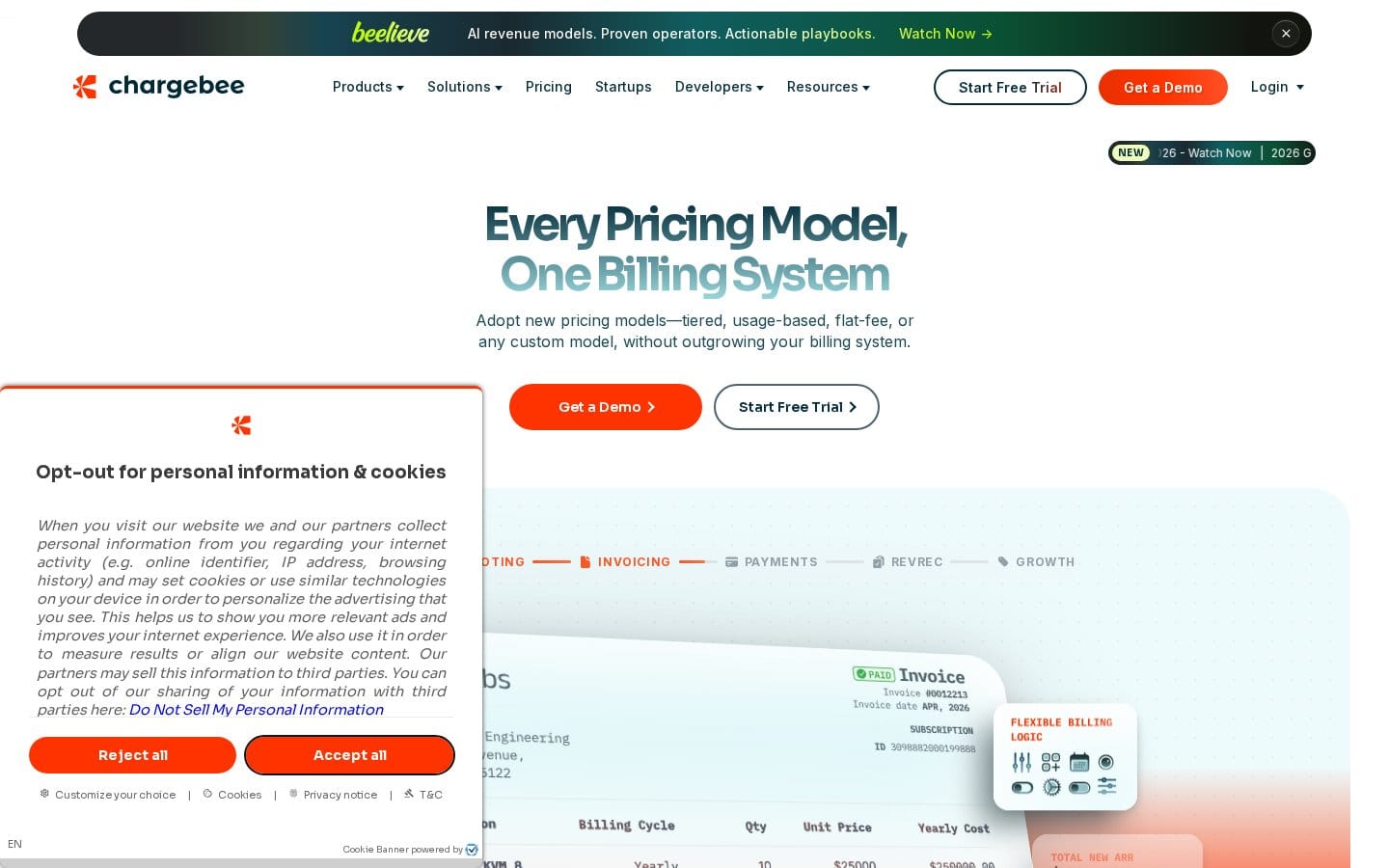
Chargebee is subscription billing infrastructure — it handles recurring billing, proration, trials, coupons, dunning, and tax across 35+ payment gateways. It's more at home in a SaaS or hybrid subscription model than a pure DTC product subscription, but brands with complex billing logic (metered, usage-based, multi-currency) will find Recharge limiting by comparison.
Strengths
- Full subscription lifecycle management including pauses, cancellations, reactivations, and custom recurring billing scenarios
- Automated invoicing, dunning, proration, and tax across 35+ payment gateways globally
- 80+ predefined reports plus a custom report builder covering MRR, churn, LTV, and deferred revenue
Best fit
Better suited to subscription brands with complex billing requirements — Chargebee aggregates usage in batches, so real-time credit balances or mid-session abuse blocking aren't natively supported.
Loyalty
Loyalty programmes work when they're simple, rewarding, and actually connected to the rest of your stack. A points balance that doesn't show up in post-purchase emails, or a VIP tier that doesn't sync with your helpdesk, is decoration. The tools here are purpose-built for e-commerce and integrate with the support, review, and email platforms in this stack — which is what makes them useful rather than cosmetic.
LoyaltyLion
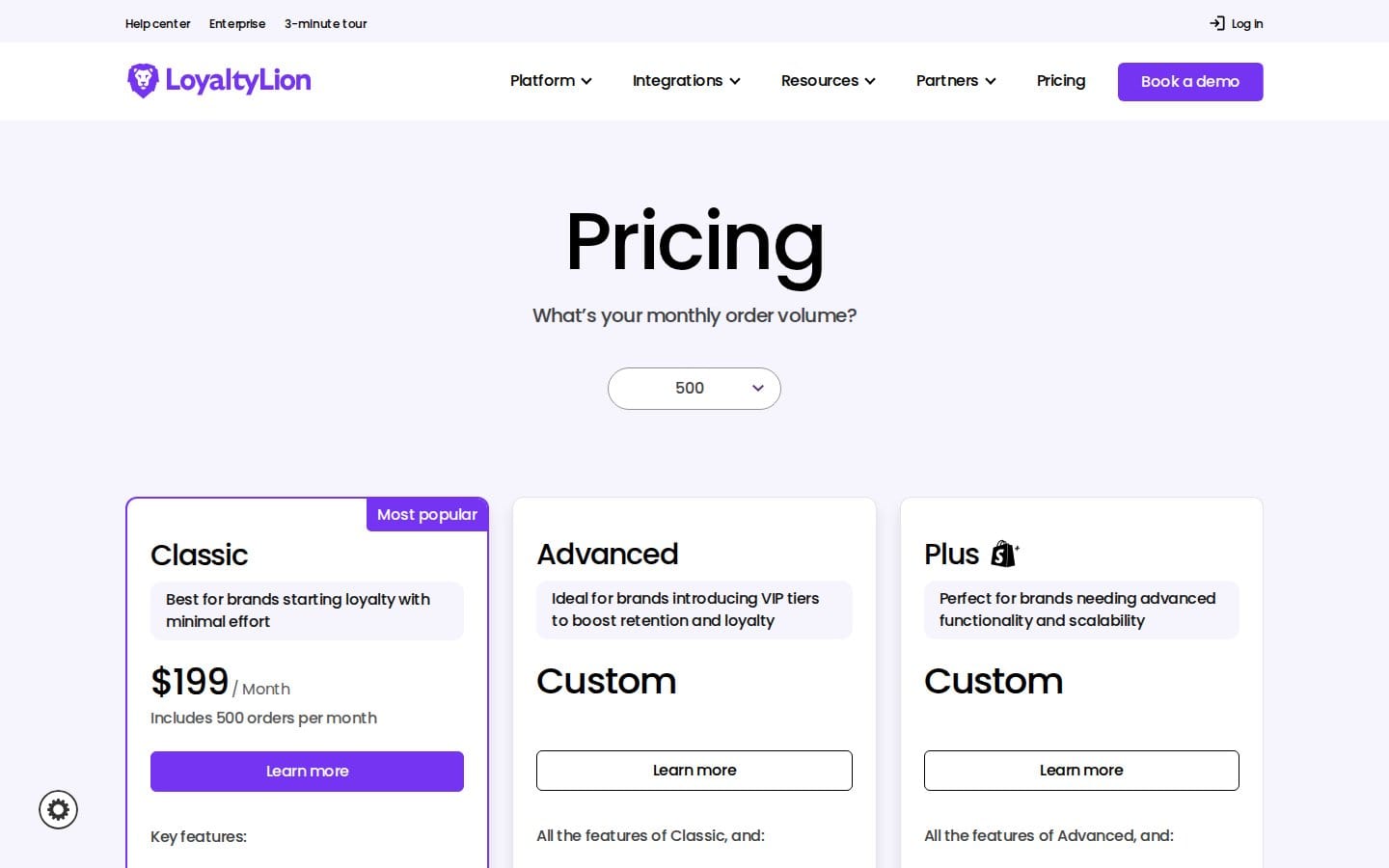
LoyaltyLion is the mid-market loyalty platform most serious Shopify brands eventually land on. VIP tiers, referral programmes, points for purchases and reviews, omnichannel Shopify POS integration — it covers the full picture. Its Klaviyo and Yotpo integrations are particularly useful if you're already running those tools.
Strengths
- Flexible rewards covering purchases, reviews, referrals, and birthdays — with VIP tiers for high-value customers
- AI-powered recommended rewards and bonus campaigns to surface the right offer at the right time
- Omnichannel-ready with Shopify POS integration for brands with physical touchpoints too
Best fit
Built for mid-market and enterprise e-commerce brands focused on LTV — the Free tier supports up to 400 monthly orders, so most brands using this seriously will be on a paid plan.
Smile.io
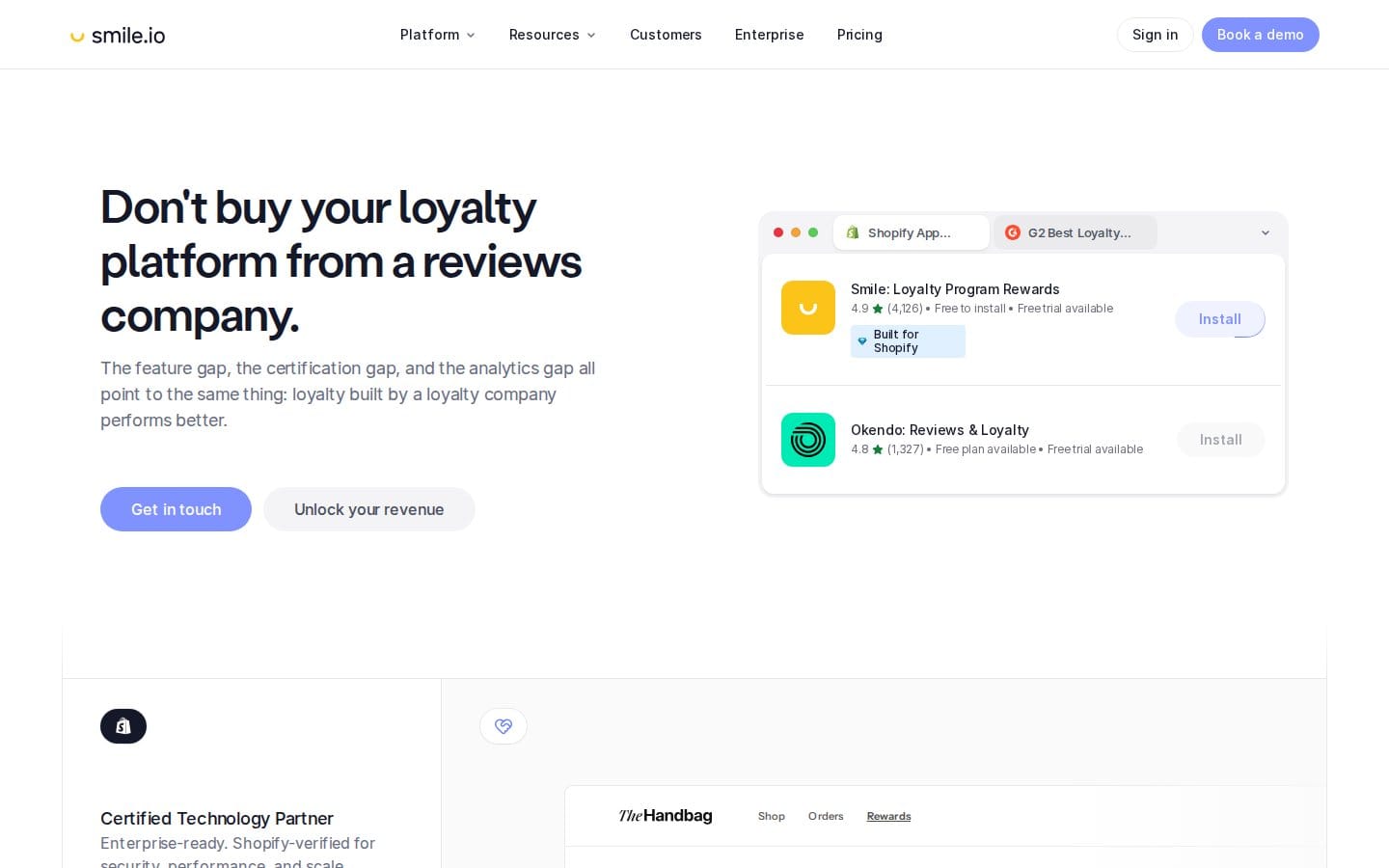
Smile.io is the lighter-touch entry point: a points programme, VIP tiers, referral scheme, and a Loyalty Hub that gives customers a single place to track their rewards. It's well-liked by smaller Shopify brands because the free tier is genuinely functional and setup is fast. Think of it as the right first loyalty programme — not necessarily the last one you'll ever need.
Strengths
- Points programme, VIP tiers, and referral programme in a clean, easy-to-deploy package
- Loyalty Hub and embedded loyalty blocks for on-site visibility without heavy development
- Checkout Extensions for native Shopify loyalty integration at the point of purchase
Best fit
The accessible starting point for Shopify brands building their first loyalty programme — API access is only available on the Plus plan, which limits customisation at lower tiers.
Page builders
Your post-purchase pages — order confirmations, tracking landing pages, account pages, loyalty hubs — are prime real estate that most brands leave generic. A page builder lets your ops or marketing team control these experiences without waiting on developers. The two tools here sit at different price points but both give you meaningful control over the on-site post-purchase journey.
Shogun
Shogun is the premium option: a drag-and-drop visual editor with native A/B testing, Smart Pages for personalisation, AI-powered section building, and multi-store content syncing. If your team is running experiments on post-purchase upsell pages or testing different loyalty programme landing pages, Shogun gives you that infrastructure without a developer.

Strengths
- Native A/B testing built in — no third-party testing tool needed for page-level experiments
- Smart Pages personalisation to serve different content to different customer segments
- AI Section Builder and content scheduling for faster page iteration
Best fit
Strong for brands with active CRO programmes and merchandising workflows — Shogun is four separate solutions within its app ecosystem, so you may need multiple subscriptions for full capabilities.
PageFly
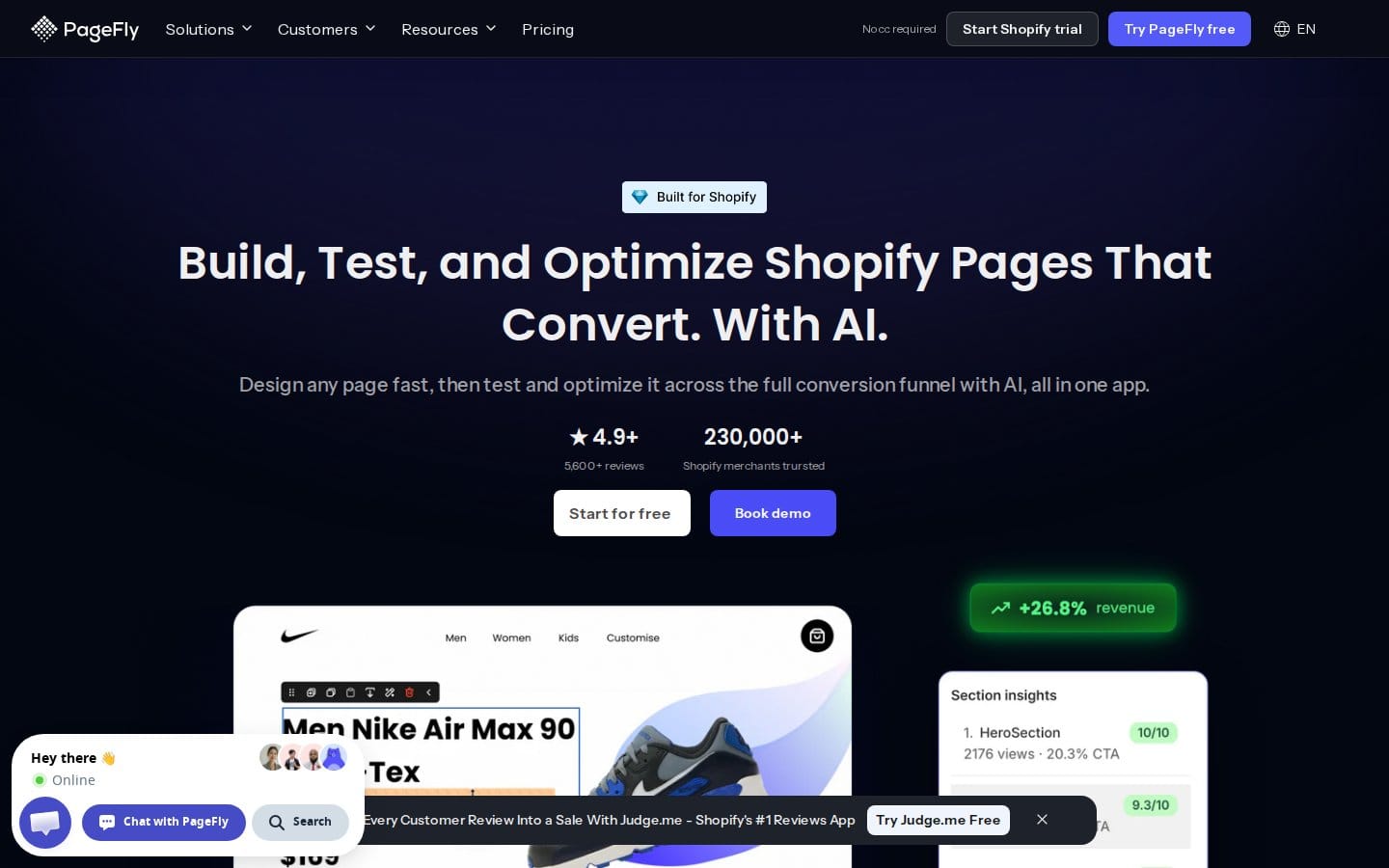
PageFly is the accessible alternative: 120+ professional templates, built-in analytics (conversion rate, sessions, revenue), A/B testing, and AI-powered CRO modules — all at a lower entry price than Shogun. For brands that want better post-purchase pages without a large monthly commitment, it covers the essentials well.
Strengths
- 120+ templates plus drag-and-drop editing for fast page creation without coding
- Built-in analytics covering conversion rate, product views, sessions, and revenue per page
- AI-powered CRO modules including Page Checkup, AI Smart Page, and AI Translator
Best fit
The right choice for Shopify merchants who want custom pages without development overhead — the Free plan is limited to one published page of each type.
The stack at a glance
| Category | Tool | Free tier | Best integration |
|---|---|---|---|
| Operations & inventory | Ceendesis | No | Shopify, Amazon, Xero, QuickBooks |
| Customer support | Gorgias | No | Shopify, Klaviyo, Loop Returns |
| Customer support | Zendesk | No | Salesforce, Shopify, Slack |
| Customer reviews | Yotpo | Yes | Shopify, Klaviyo, Google |
| Customer reviews | Trustpilot | Yes | Shopify, Salesforce, Zapier |
| Analytics | Google Analytics 4 | Yes | Google Ads, Shopify, BigQuery |
| Analytics | Triple Whale | Yes | Shopify, Meta, Klaviyo, Gorgias |
| Returns | Loop Returns | Yes | Shopify, Gorgias, Klaviyo |
| Returns | Narvar | No | Shopify, Zendesk, Klaviyo |
| Subscriptions | Recharge | No | Shopify, Klaviyo, Gorgias |
| Subscriptions | Chargebee | Yes | Salesforce, Xero, Stripe |
| Loyalty | LoyaltyLion | Yes | Shopify, Klaviyo, Yotpo |
| Loyalty | Smile.io | Yes | Shopify, Klaviyo, Gorgias |
| Page builders | Shogun | Yes | Shopify, BigCommerce |
| Page builders | PageFly | Yes | Shopify, 130+ apps |
Frequently asked questions
What is a post-purchase experience stack?
A post-purchase experience stack is the set of integrated software tools that manage everything after a customer places an order: shipment tracking, returns, customer support, loyalty programmes, review collection, and retention communications. It includes the branded tracking page, proactive notifications, self-serve returns portal, and follow-up communications that collectively shape whether a customer buys again. It's not one tool — it's a category-by-category build, and the tools need to talk to each other to be effective. For the financial foundation, see our guide to ecommerce accounting for sellers, which covers how order and returns data flows into your books.
How can e-commerce operations improve customer retention?
Engaging customers after checkout reduces anxiety, builds trust, and improves the probability of repeat revenue. On the operations side, that means proactive shipping updates that prevent WISMO ("where is my order?") contacts, self-serve returns that feel like help rather than bureaucracy, loyalty programmes that make the next purchase feel rewarding, and support interactions that resolve in one touch. The compounding effect is real: a 5% increase in retention can lift profits by 25–95%. And good inventory management for D2C brands underpins all of it — you can't communicate accurately about deliveries if you don't know what's actually in stock.
What software is needed for post-purchase automation?
At minimum: a helpdesk that integrates with your store (Gorgias for most Shopify brands), a returns platform (Loop Returns for exchange-first flows), and an analytics tool (GA4 as baseline). Proactive shipping notifications, self-serve returns, and real-time exception alerts can't be managed manually at any meaningful shipment volume — so automation isn't optional once you're past a few hundred monthly orders. Add loyalty (Smile.io or LoyaltyLion), reviews (Yotpo or Trustpilot), and subscriptions (Recharge) as your model demands them. But the plumbing underneath — inventory accuracy, marketplace reconciliation — needs to be solid first. If you're on multiple channels, our overview of Shopify accounting and bookkeeping is a useful companion read for getting the financial data layer right.
Where to start — and what to add later
If you're doing fewer than 200 orders a month, build the minimum viable post-purchase stack: GA4 (free), Gorgias Starter or Basic for support, and either Smile.io or Yotpo's free tier for reviews and loyalty. That's a functioning retention operation at very low cost. Returns can be handled manually or through a free Loop plan until volume justifies more.
At 500–2,000 monthly orders, the picture changes. Returns become a margin problem if they're not automated. Support tickets stack up. Attribution gets murky across paid channels. That's the stage to add Loop Returns on a paid plan, Triple Whale for proper attribution, and LoyaltyLion Classic for tiered loyalty. Recharge makes sense the moment you launch any subscription product — don't wait until churn is already a problem to put cancellation prevention in place.
Beyond that — multi-warehouse inventory, multi-marketplace selling, complex returns analytics — Narvar, Chargebee, and a dedicated operations platform like Ceendesis become the right calls. The accounting complexity alone at that stage (reconciling Amazon and Shopify payouts, tracking COGS accurately, managing EPR obligations) justifies a platform rather than a spreadsheet. See our guide on what to include in COGS for ecommerce and cash vs accrual accounting for ecommerce sellers for the financial side of scaling.
Screenshots are from each tool's public pricing or features page, captured July 2026. We are not affiliated with any third-party tool listed unless explicitly noted.