
Reverse Logistics: A 2026 Guide for DTC Brands
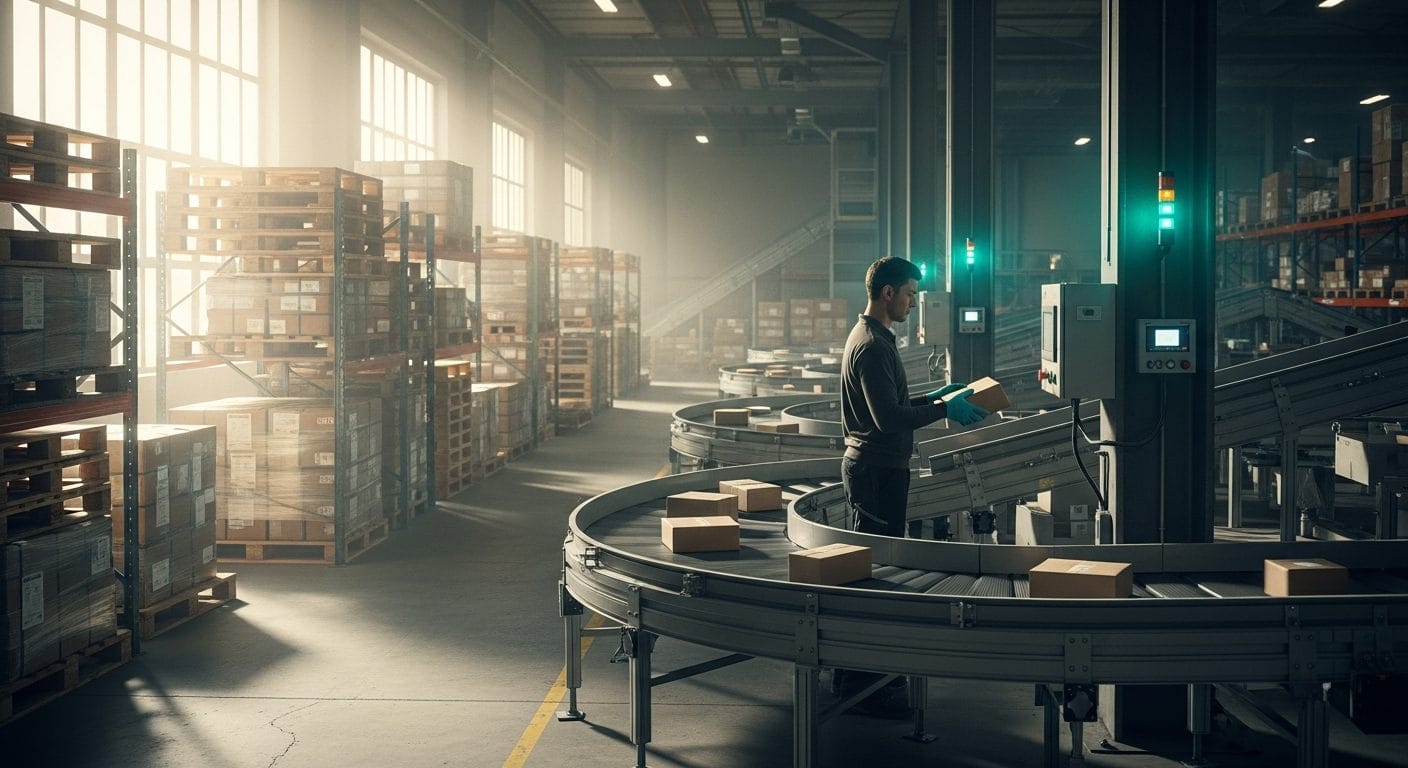
What is reverse logistics and why it matters for DTC in 2026
A returned parcel costs you money twice — once to ship it out, and again to bring it back. Most brands are still running on the reactive version: manual processes, ad hoc decisions, a vague sense that returns are just an unfortunate cost of doing business. In 2026, that approach is quietly expensive.
Reverse logistics is the process of moving goods from the customer back into your supply chain — whether that ends in refurbishment, resale, donation, or the bin. Simple to define. But execution is where brands either recover margin or bleed it, order after order. Returns are no longer a back-end afterthought; they're either a profit driver or a profit leak, and which one depends entirely on how you're running them.
For DTC brands, the stakes are especially high. There's no retail intermediary absorbing some of the return friction. Every returned item lands directly on your warehouse floor, your team's plate, and your P&L. The e-commerce returns management challenge isn't going away — so the question is whether your operation handles it profitably or just handles it.
The brands winning on returns in 2026 aren't just processing them faster. They're grading returned products, routing each item to the disposition channel that recovers the most value, and turning what used to be a cost centre into a modest but real revenue stream.
The real cost of inefficient returns
Processing a single return costs between 20% and 65% of the item's original price when you factor in return shipping, labour, inspection, repackaging, and potential write-downs (OpenSend, December 2025). On a £40 product, that's £8 to £26 per return — before you've even decided what to do with it.
Multiply that across an average e-commerce return rate of 17–25% (Forbes), and the numbers add up uncomfortably fast. A brand shipping 500 orders a week could be processing 85–125 returns in the same period. At £15 average processing cost, that's up to £1,875 per week — nearly £100,000 a year — just to handle what came back.
But the real damage from inefficient returns doesn't always show up on a single P&L line. It turns up in:
- Inventory distortion — returned stock that isn't quickly reprocessed sits in limbo, neither available to sell nor written off. Your inventory counts go out of sync, and you end up understocking or overstocking as a result.
- Lost resale windows — seasonal or trend-sensitive products have a shelf life. A return that takes three weeks to reprocess may land back on the virtual shelf too late to sell at full price.
- Staff time — without clear grading and routing procedures, warehouse staff spend disproportionate time making ad hoc decisions on every single returned item.
- Customer churn — a clunky returns experience damages loyalty. And 96% of consumers tie their loyalty directly to how easy the returns process is (WeSupply Labs, 2024).
Most operations managers know returns are expensive. Fewer have actually mapped the full cost per return and compared it against their disposition outcomes. That's the number to start with — and the metrics section below covers exactly what to track.
The stages of an optimised reverse logistics flow
An optimised reverse logistics flow isn't one thing. It's a sequence of decisions, each affecting cost and recovery value. Walk through each stage below.
1. Return authorisation
Before anything ships back, you need a Return Merchandise Authorisation (RMA) process. This is where you gather return reason data (essential for trend spotting), confirm eligibility, and — in some cases — offer alternatives: a replacement, an exchange, or a partial refund that avoids the physical return altogether. Avoiding a return entirely is the cheapest outcome, full stop. Your inventory management system should be looped in at this stage, so expected inbound returns are visible before the item even arrives.
2. Inbound receiving and inspection
Speed matters here. The longer a returned item sits uninspected, the more value it loses. Build a dedicated returns receiving area — physically separate from outbound — with a clear inspection checklist. Grading returned stock is the single most important step for maximising asset recovery:
- A: resellable as new
- B: resellable as open box
- C: needs refurbishment
- D: parts only or disposal
Don't skip it to save time. It costs more later.
3. Disposition routing
This is where most brands leave money behind. Once graded, each item goes to the highest-value disposition channel it qualifies for:
| Grade | Condition | Best disposition channel | Relative recovery value |
|---|---|---|---|
| A | Unopened / like new | Restock to primary channel | High (full price potential) |
| B | Opened, fully functional | Open-box sale, eBay, or own outlet | Medium (60–80% of RRP) |
| C | Damaged / needs repair | Refurbish then B-grade resale | Low-medium (after refurb cost) |
| D | Unsalvageable | Parts recovery, donation, or responsible disposal | Minimal / cost avoidance only |
4. Restocking and data capture
Restocked items need to flow back into your live inventory counts immediately — not after a weekly reconciliation. If you're running across Shopify, Amazon, and eBay simultaneously, a returned item sitting as "unavailable" in one warehouse while you're stockout-warning on another channel is exactly the kind of operational drag that multi-channel inventory management is built to solve. We covered the mechanics of this in our Multichannel Inventory Buffering Guide for 2026.
Turning returns into a revenue stream
Most brands stop at "process the return and restock it if it's in good condition." That leaves B, C, and D-grade items either piling up or being written off entirely. Both destroy margin.
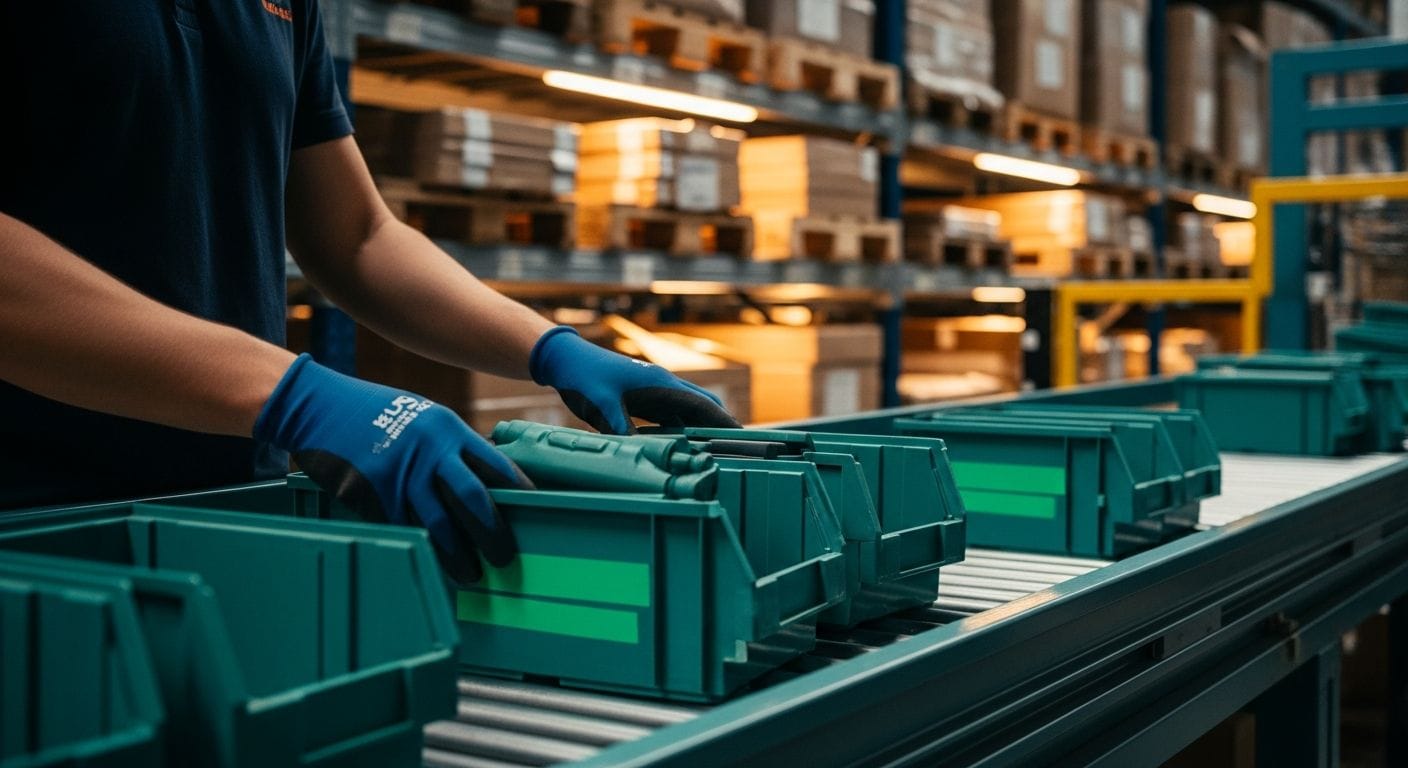
The operations teams recovering real value from returns do a few things differently.
Build a secondary sales channel
B-grade items — opened but fully functional — can sell well on eBay, Back Market, or a dedicated outlet section of your own Shopify store. A fashion brand selling returned knitwear at 60% of RRP is still recovering most of the product cost. The key is a consistent grading process, so customers know exactly what "open box" means when they buy from you. Honestly, most brands treat the outlet channel as an afterthought until they see the recovery figures — at which point they wish they'd set it up six months earlier.
Refurbishment for higher-value SKUs
For electronics, premium apparel, or anything above roughly £60 in product cost, refurbishment usually makes financial sense. A cracked screen protector is fixable at low cost. So is a loose thread. Invest in a basic refurbishment workflow and you'll move more items from grade C to grade B, unlocking meaningfully higher recovery value per unit. Pair this with value recovery tracking so you can see whether refurb costs are justified per SKU category.
Offer instant exchanges, not just refunds
Exchanges keep revenue. A customer who gets the right size or colour via an instant exchange doesn't become a return — they become a repeat customer. Some returns platforms ship the replacement before the original item is received back, removing friction for the customer and often converting what would have been a refund into a continued sale.
Mine return reasons for upstream fixes
This is the highest-leverage, lowest-cost returns strategy available. If 30% of your returns on one SKU cite "doesn't match description," that's a product page problem. Fix the listing, update the imagery, add a sizing guide, and your return rate on that SKU drops. Surfacing real customer reviews, improving size charts, and sharpening product copy all directly reduce preventable returns (Infosys BPM, 2025). Return reason data is the input — smarter demand forecasting and better product decisions are the output.
And don't overlook the compliance angle. If you're selling packaged goods into EU markets, returned packaging still has EPR implications. Our EPR packaging compliance tool handles exactly this — and fashion brands selling into France or the Netherlands should be aware that returns don't exempt you from textile compliance obligations either.
The technology that makes reverse logistics scalable
Manual reverse logistics doesn't scale. As soon as you're processing more than a handful of returns per day, the absence of proper tooling starts costing you in staff hours, errors, and delayed restocking.
The technology stack for reverse logistics runs across a few layers.
RMA software
Return Merchandise Authorisation systems let customers self-serve their return request — selecting a reason, printing a label, getting a confirmation — without your team touching it. The return reason is captured digitally, the expected inbound is logged, and your warehouse team can prepare before the item arrives. A good WMS generates the return label and logs the expected return automatically, so nothing falls through the cracks (VGS Software, 2024).
Inventory management that handles returns in real time
Real time means real time. When a return is received, inspected, and graded, that updated stock level needs to push to every sales channel simultaneously — a grade-A restock on Shopify should immediately show as available inventory on Amazon and eBay too. That's what real-time channel integrations deliver, and it's why inventory management sits at the centre of a functional reverse logistics operation.
Ceendesis IMS handles exactly this for brands running across Shopify, Amazon, eBay, Etsy, and Walmart simultaneously. Returned stock is visible, countable, and allocatable the moment it's processed — not whenever someone remembers to update the spreadsheet. Shopify and Amazon sellers especially benefit here, because overselling on one channel while returns pile up uninspected on the other is a real and recurring problem without it.
Grading and disposition logic
Some WMS platforms let you configure automated disposition rules: if grade A, route to primary bin; if grade B, route to outlet staging; if grade D, flag for disposal review. Automation removes human decision-making from routine cases and saves judgment for edge cases where it actually matters. The result is faster throughput and more consistent asset recovery. You can see how this fits into broader operations manager workflows — it's about removing repetitive decisions so your team can focus where judgment is actually needed.
Analytics and reporting
Four numbers matter most: return rate, cost per return, cycle time (from customer return request to restocked or disposed), and asset recovery rate (the percentage of original product value recovered across all returned items) (Bungii, 2025). If your current systems can't report on these per SKU, per channel, and per return reason, you're flying blind. That's the gap worth fixing before anything else.
Returns data and inventory data sitting in one system also feeds better purchasing decisions. If a particular variant returns at a high rate, you factor that into your next buy. Our guide on blended JIT and safety stock approaches covers how return rates should influence your stock positioning. And if you're thinking about the broader picture of stock allocation across locations, the inter-warehouse transfer guide is worth reading alongside this one.
A slick outbound operation paired with a returns process running on gut feel and spreadsheets is a margin problem waiting to compound. Technology investment in reverse logistics pays back because the current baseline is usually so inefficient that even modest improvements move the needle on cost per return. See our IMS pricing if you want to understand what that looks like in practice.
Frequently asked questions
What is the difference between reverse logistics and returns management?
Reverse logistics is the broader process of moving goods backward through the supply chain — from customer back to warehouse, through refurbishment, resale, or disposal. Returns management is a specific subset, focused on the customer-facing tasks: handling the return request, authorising it, arranging the shipment back, and resolving the customer's issue (LateShipment, March 2026). Put simply: returns management is what the customer experiences; reverse logistics is everything that happens after the parcel arrives back at your door.
How can e-commerce brands reduce their return rates in 2026?
Fix the upstream causes — primarily inaccurate product information. Better descriptions, high-quality images and video, accurate sizing guides, and surfacing real customer reviews all close the gap between what the customer expects and what they actually receive (Infosys BPM, 2025). Dig into your return reason data by SKU. A high return rate on one product is usually a listing problem, not a product problem.
What are the key metrics to track for reverse logistics performance?
Four numbers matter most: return rate (returns as a percentage of total orders), cost per return (total reverse logistics cost divided by number of returns), cycle time (from return request to restock or disposal), and asset recovery rate (the percentage of original product value recovered across all returned items). Track these per SKU and per channel — not just in aggregate — and you'll have actual operational insight rather than noise (Bungii, 2025).
Reverse logistics in 2026 is an operations problem disguised as a customer service problem. The brands getting it right are building systems with clear grading criteria, fast disposition routing, real-time inventory updates, and the analytics to make better decisions next quarter than they made last quarter. If your current setup treats returns as an afterthought, the cost is real — it's just spread across enough line items that it's easy to miss. Start with your cost per return. Map your current flow against the stages above. Find your single biggest gap, and fix that first. Multi-channel brands especially will find that getting returns data into a single inventory view is the unlock that makes everything else possible.